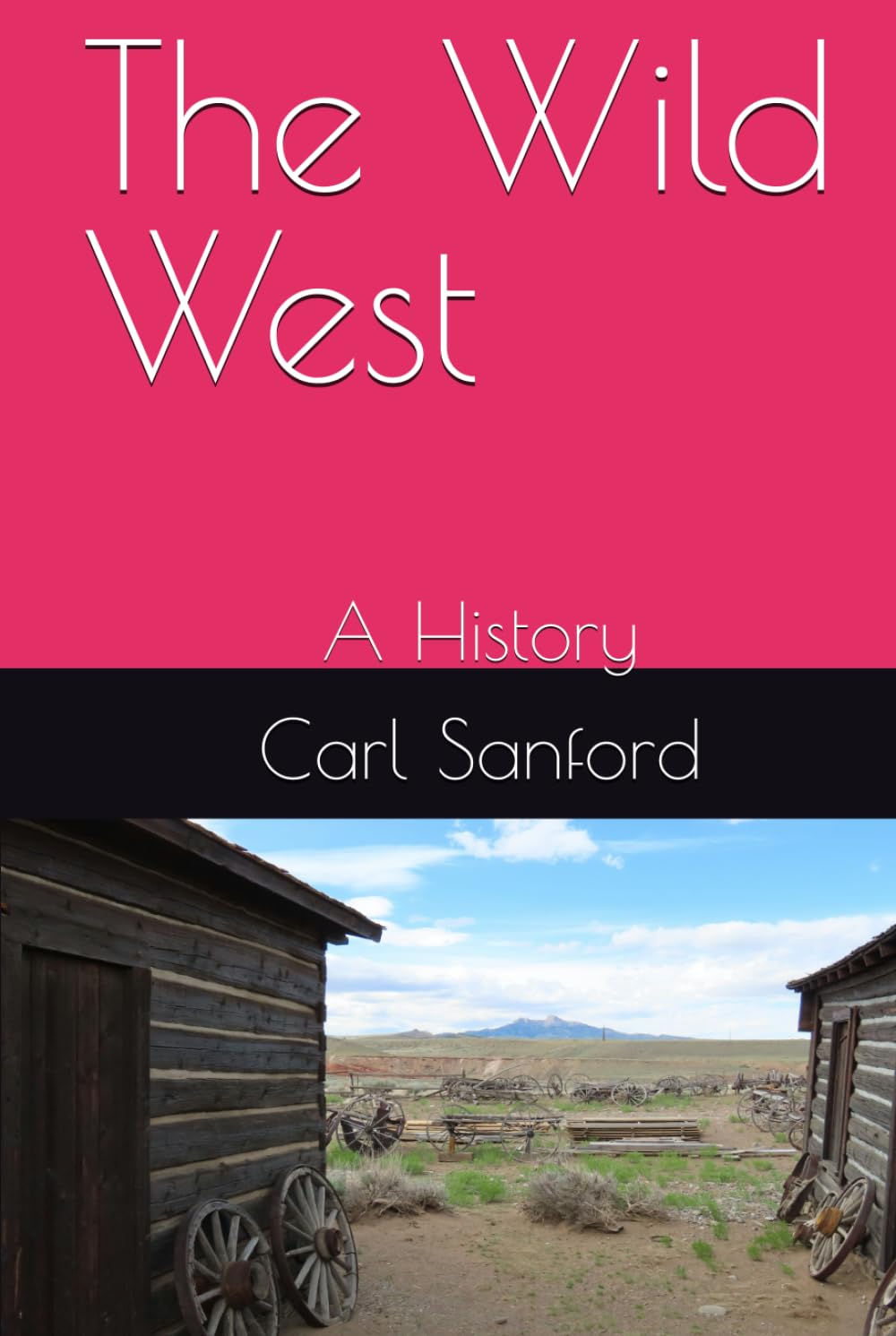



The Wild West: A History offers a sweeping, immersive journey through one of the most transformative and mythologized eras in American history. Spanning from the Louisiana Purchase in 1803 to the declared "closing of the frontier" in 1890, this book peels back the legend to reveal the complex realities that shaped the American West. From Native American civilizations long before European contact to the rise of Manifest Destiny, readers will encounter the cultural collisions, violent struggles, and groundbreaking innovations that forged a new nation. It tells the story of how a land once filled with autonomous tribes and untamed wilderness became the center of America's expansionist dreams. Through vivid accounts of expeditions like Lewis and Clark’s Corps of Discovery and the daring exploits of mountain men such as Jedediah Smith and Jim Bridger, the book explores the early incursions into the vast interior. These adventurous trailblazers mapped unknown regions, encountered Native nations, and laid the groundwork for the great overland migrations that followed. The Oregon, Santa Fe, and Mormon Trails were more than paths—they were lifelines for settlers driven by faith, greed, or the promise of new beginnings. Their journeys encapsulate both the hope and hardship of those chasing the American dream across rugged terrain. Central to the narrative are the powerful ideological forces and social transformations that fueled expansion. The concept of Manifest Destiny gave a divine mandate to conquest, war, and displacement. The annexation of Texas, the Mexican-American War, and the Gold Rush each added new territory and turmoil, reshaping the map and psyche of the young nation. At the same time, the book delves into the rise of railroads, telegraphs, and cattle empires, all of which brought commerce, connectivity, and conflict to the frontier. The development of towns, the influence of women pioneers, and the raw violence of lawmen and outlaws together portray a region constantly balancing chaos and order. Perhaps most poignantly, the book confronts the catastrophic impact of expansion on Native American communities. From the Indian Wars to the Massacre at Wounded Knee, and policies like the Dawes Act, this history reveals the systematic efforts to displace, assimilate, and erase Indigenous cultures. It also highlights the role of African American “Buffalo Soldiers” and Chinese laborers in shaping the frontier, offering a broader, more inclusive view of the people who made—and resisted—the West. In its closing chapters, the book examines the West's transformation from raw frontier to national myth. Boomtowns turned to ghost towns, open ranges gave way to barbed wire, and the Wild West became a product of popular entertainment through spectacles like Buffalo Bill’s shows. As the frontier officially ended, its legacy endured—in politics, culture, and the American imagination. This gripping narrative blends rigorous history with compelling storytelling, making it an essential read for anyone interested in the roots of modern America.