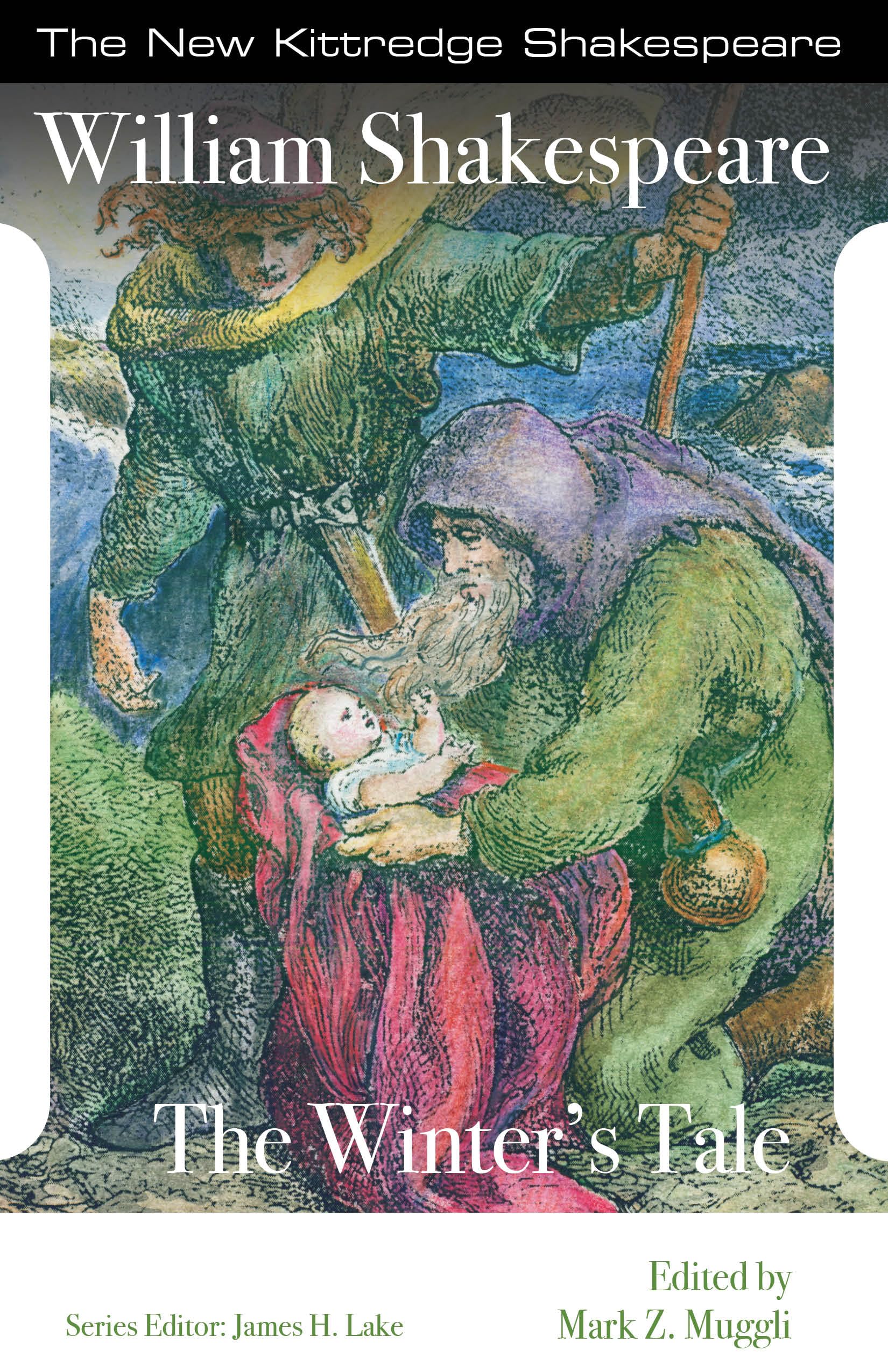



George Lyman Kittredge’s insightful editions of Shakespeare have endured in part because of his eclecticism, his diversity of interests, and his wide-ranging accomplishments, all of which are reflected in the valuable notes in each volume. These new editions have specific emphasis on the performance histories of the plays (on stage and screen). Features of each edition include: The original introduction to the Kittredge Edition - Editor’s Introduction to the Focus Edition. An overview on major themes of the plays, and sections on the play’s performance history on stage and screen. - Explanatory Notes. The explanatory notes either expand on Kittredge’s superb glosses, or, in the case of plays for which he did not write notes, give the needed explanations for Shakespeare’s sometimes demanding language. - Performance notes. These appear separately and immediately below the textual footnotes and include discussions of noteworthy stagings of the plays, issues of interpretation, and film and stage choices. - How to read the play as Performance Section. A discussion of the written play vs. the play as performed and the various ways in which Shakespeare’s words allow the reader to envision the work "off the page." - Comprehensive Timeline. Covering major historical events (with brief annotations) as well as relevant details from Shakespeare’s life. Some of the Chronologies include time chronologies within the plays. - Topics for Discussion and Further Study Section. Critical Issues: Dealing with the text in a larger context and considerations of character, genre, language, and interpretative problems. Performance Issues: Problems and intricacies of staging the play connected to chief issues discussed in the Focus Editions’ Introduction. - Select Bibliography & Filmography Each New Kittredge edition also includes film stills from major productions, for comparison and scene study. The Winter’s Tale is a kind of miracle play in which performance is of the essence of an exciting, imaginative, and inspiring plot embodied in visionary dialogue. In creating a course in Shakespeare Performed (2010) with his students staging an abridged Winter’s Tale , Mark Muggli was in an ideal position to edit the play especially from the perspective of performance, as he did. This is a twenty-first-century edition up-to-date enough to include the Guthrie Theater’s production of 2011 together with the solid twentieth-century scholarship of G. L. Kittredge. Kittredge’s introduction, lightly edited, begins with Muggli’s “Spoiler Alert” about plot revelations the reader might prefer to experience first in the play itself. His notes are designed less to interpret than “to facilitate the reader’s interpretation,” and the reader and the play are primary in this presentation of The Winter’s Tale . —Tom Clayton, Regents Profesor , University of Minnesota "No edition gives such equal balance to the play as it appears on the page, the stage, and the screen as does the New Kittredge Shakespeare. This edition of Winter’s Tale begins that balancing act with Mark Muggli’s engaging introduction and continues it throughout the text of the play per se with considerations of stage choices, abundant photographs, and a concluding essay on the play as performance. The result is that the reader is always in touch with the work in its multiple dimensions as a literary, theatrical, and cultural phenomenon. That approach makes Muggli's edition an excellent introduction to the play and equally an ally of the teacher and the director." — Ralph Alan Cohen, Mary Baldwin College Even as the New Kittredge Shakespeare series glances back to George Lyman Kittredge's student editions of the plays, it is very much of our current moment: the slim editions are targeted largely at high school and first-year college students who are more versed in visual than in print culture. Not only are the texts of the plays accompanied by photographs or stills from various stage and cinema performances: the editorial contributions are performance-oriented, offering surveys of contemporary film interpretations, essays on the plays as performance pieces, and an annotated filmography. Traditional editorial issues (competing versions of the text, cruxes, editorial emendation history) are for the most part excluded; the editions focus instead on clarifying the text with an eye to performing it. There is no disputing the pedagogic usefulness of the New Kittredge Shakespeare's performance-oriented approach. At times, however, it can run the risk of treating textual issues as impediments, rather than partners, to issues of performance. This is particularly the case with a textually vexed play such as Pericles: Prince of Tyre . In the introduction to the latter, Jeffrey Kahan notes the frequent unintelligibility of the play as originally published: "the chances of a reconstructed text matching what Shakespeare actually wrote are about 'nil'" (p. xiii) But his solution — to use a "tra