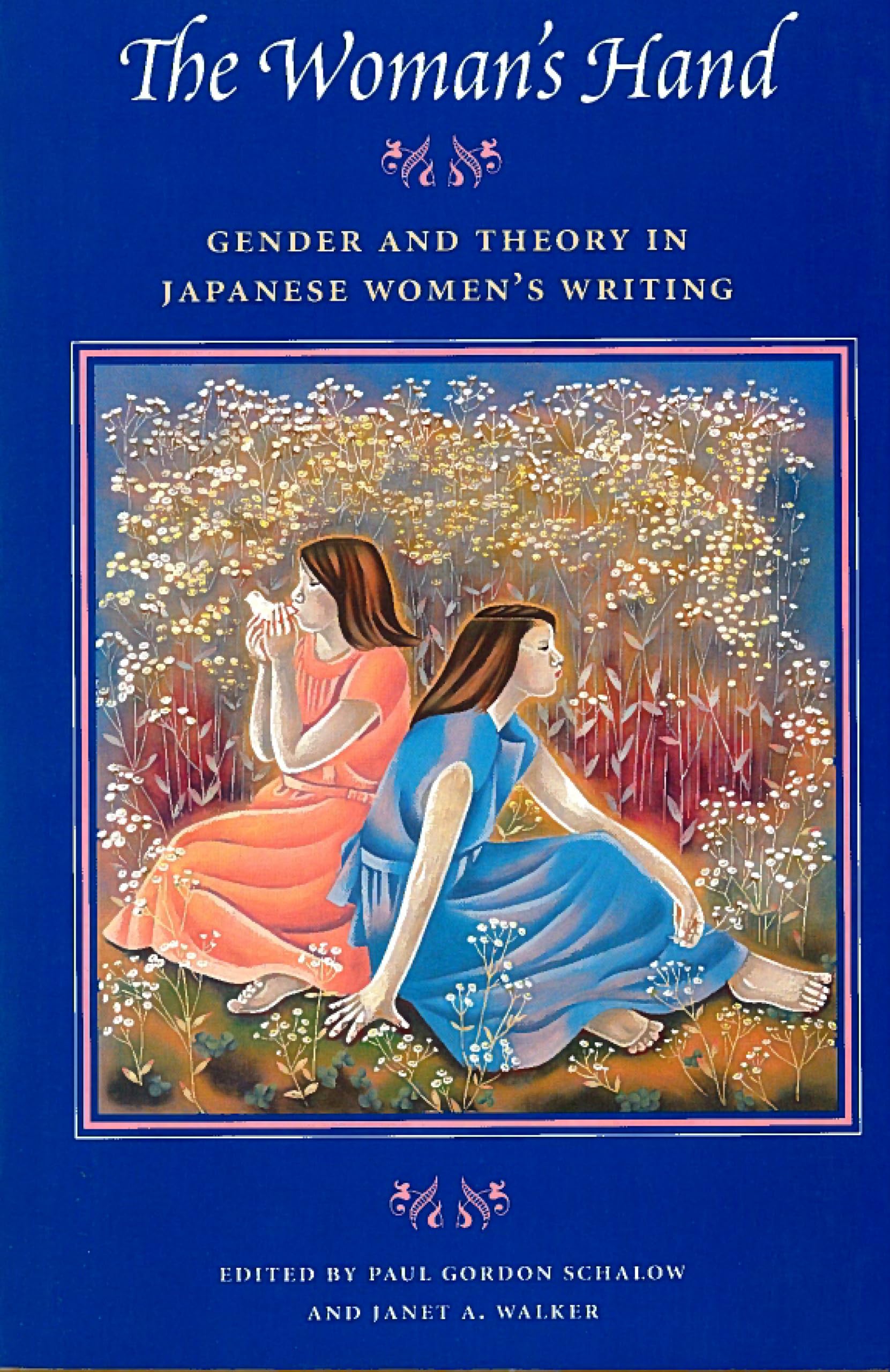
The Woman’s Hand: Gender and Theory in Japanese Women’s Writing
$62.99
by Paul Gordon Schalow



This volume has a dual purpose. As a study of Japanese literature, it aims to define the state of Japanese literary studies in the field of women’s writing and to point to directions for future research and inquiry. As a study of women’s writing, it presents cross-cultural interpretations of Japanese material of relevance to contemporary work in gender studies and comparative literature. The essays demonstrate various critical approaches to the tradition of Japanese women’s writing―from a consideration of theoretical issues of gendered writing in classical and modern literature to a consideration of the themes and styles of a number of important contemporary writers. Feminist literary critics have generally defined women’s discursive practice in terms of four major gender-related contexts: literary-historical, biological, experiential, and cultural. Accordingly, the thirteen essays in the volume are divided into four parts. Part I locates women writers within Japanese literary history; Part II shows ways in which modern women writers have “written the body” in Japan; Part III gives examples of tropes and genres used to write about female experience; and Part IV depicts how gender intersects with other social and cultural contexts in Japanese women’s writing. This volume has a dual purpose. As a study of Japanese literature, it aims to define the state of Japanese literary studies in the field of women’s writing and to point to directions for future research and inquiry. As a study of women’s writing, it presents cross-cultural interpretations of Japanese material of relevance to contemporary work in gender studies and comparative literature. The essays demonstrate various critical approaches to the tradition of Japanese women’s writing—from a consideration of theoretical issues of gendered writing in classical and modern literature to a consideration of the themes and styles of a number of important contemporary writers. Feminist literary critics have generally defined women’s discursive practice in terms of four major gender-related contexts: literary-historical, biological, experiential, and cultural. Accordingly, the thirteen essays in the volume are divided into four parts. Part I locates women writers within Japanese literary history; Part II shows ways in which modern women writers have “written the body” in Japan; Part III gives examples of tropes and genres used to write about female experience; and Part IV depicts how gender intersects with other social and cultural contexts in Japanese women’s writing. This volume has a dual purpose. As a study of Japanese literature, it aims to define the state of Japanese literary studies in the field of women’s writing and to point to directions for future research and inquiry. As a study of women’s writing, it presents cross-cultural interpretations of Japanese material of relevance to contemporary work in gender studies and comparative literature. The essays demonstrate various critical approaches to the tradition of Japanese women’s writing—from a consideration of theoretical issues of gendered writing in classical and modern literature to a consideration of the themes and styles of a number of important contemporary writers. Feminist literary critics have generally defined women’s discursive practice in terms of four major gender-related contexts: literary-historical, biological, experiential, and cultural. Accordingly, the thirteen essays in the volume are divided into four parts. Part I locates women writers within Japanese literary history; Part II shows ways in which modern women writers have “written the body” in Japan; Part III gives examples of tropes and genres used to write about female experience; and Part IV depicts how gender intersects with other social and cultural contexts in Japanese women’s writing. Paul Gordon Schalow is Associate Professor of Japanese Literature at Rutgers University. He is the translator of Ihara Saikaku's The Great Mirror of Male Love (Stanford, 1990). Janet A. Walker is Associate Professor of Comparative Literature at Rutgers University. She is the author of The Japanese Novel of the Meiji Period and the Ideal of Individualism. Used Book in Good Condition