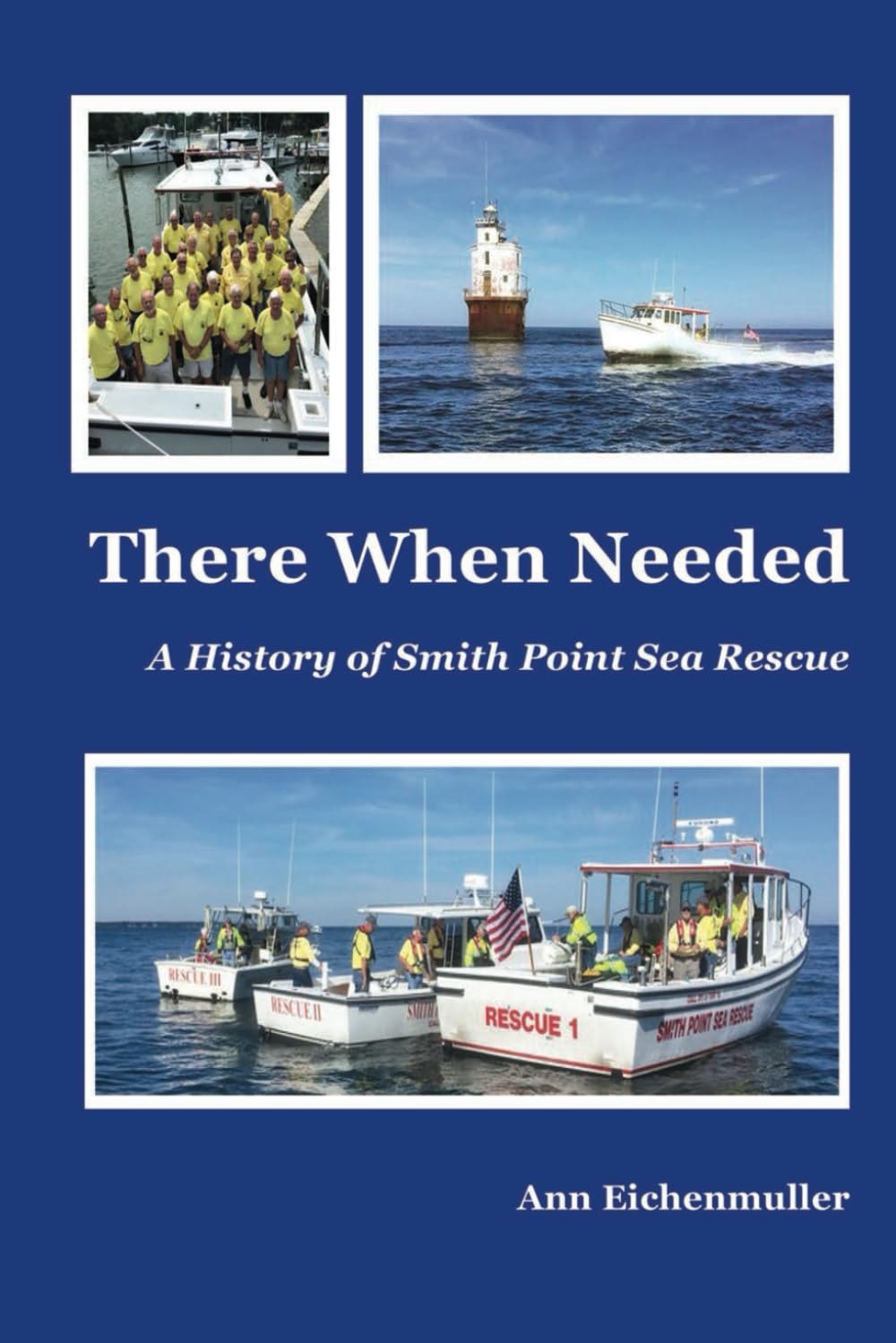



With its rich landscapes, lush marshes, white sand beaches, and quaint tidewater towns, there is no more inviting destination for boaters than the Chesapeake Bay. 200 miles in length, it is the nation’s largest estuary, where Atlantic saltwater and freshwater tributaries mix. The resulting diverse habitats are home to more than 250 species of fish and the winter destination for more than a million migratory birds. Drawn by the scenic beauty and seemingly gentle waters, approximately ten million people also live on or near the Chesapeake’s shores. They flock to docks and boat ramps, taking to the Bay in everything from paddle craft to runabouts, trawlers, and deep-keeled sailboats. Some never return. For despite the sense of comfort created by its 11,000 miles of shoreline, the Chesapeake Bay can be dangerous and deadly. In warmer months, the combination of incoming cold fronts and high levels of heat and humidity spawned by the Bay’s 64,000 square miles of water create a volatile subtropical microclimate, regularly producing sudden storms and squalls with winds in excess of 20 knots. That same comforting shoreline funnels the wind onto the water, where it can stack up against an opposing tide to form waves tall enough to swamp a small craft or damage and disable a larger one. Storms are not the only natural hazard. Another is the Bay’s depth. Averaging 21 feet, its shallow water is a draw for fishermen and paddlers alike. But 24% of the Bay has a depth of less than six feet, with many shoaled areas in deceptively wide, open stretches of water, making groundings common. Add in any other extenuating factor—approaching nightfall, cold temperatures, an illness on board—and a simple grounding can become life threatening. Even human activities can pose a threat. The Chesapeake Bay is home to both Baltimore and Hampton Roads, two of the North Atlantic’s largest ports, as well as a thriving seafood industry. Recreational boaters must avoid tankers and cargo ships in the deep-water channels and crab pots, pound nets, oyster bed markers, and fish traps in shallower spots. Nowhere are these hazards more evident than in the stretch of the Chesapeake Bay from Point Lookout to Windmill Point. For centuries, the Chesapeake has claimed ships and lives here. This area encompasses the Bay’s widest water, 30 miles across, the tumultuous mouth of the Potomac River, and some of the Chesapeake’s most treacherous shallows. The sheer distance between shores can be disorienting for recreational boaters, and there are few safe harbors for shelter in sudden storms. Even on sunny days, the current at the mouth of the Potomac creates confused and choppy seas at ebb tide, whenever wind and current are opposed, and with even a light northwest wind. These conditions are most pronounced off Smith Point, where shifting shoals and the proximity to the shipping channel increase the risk to boaters. It was in these waters that Smith Point Sea Rescue was born.