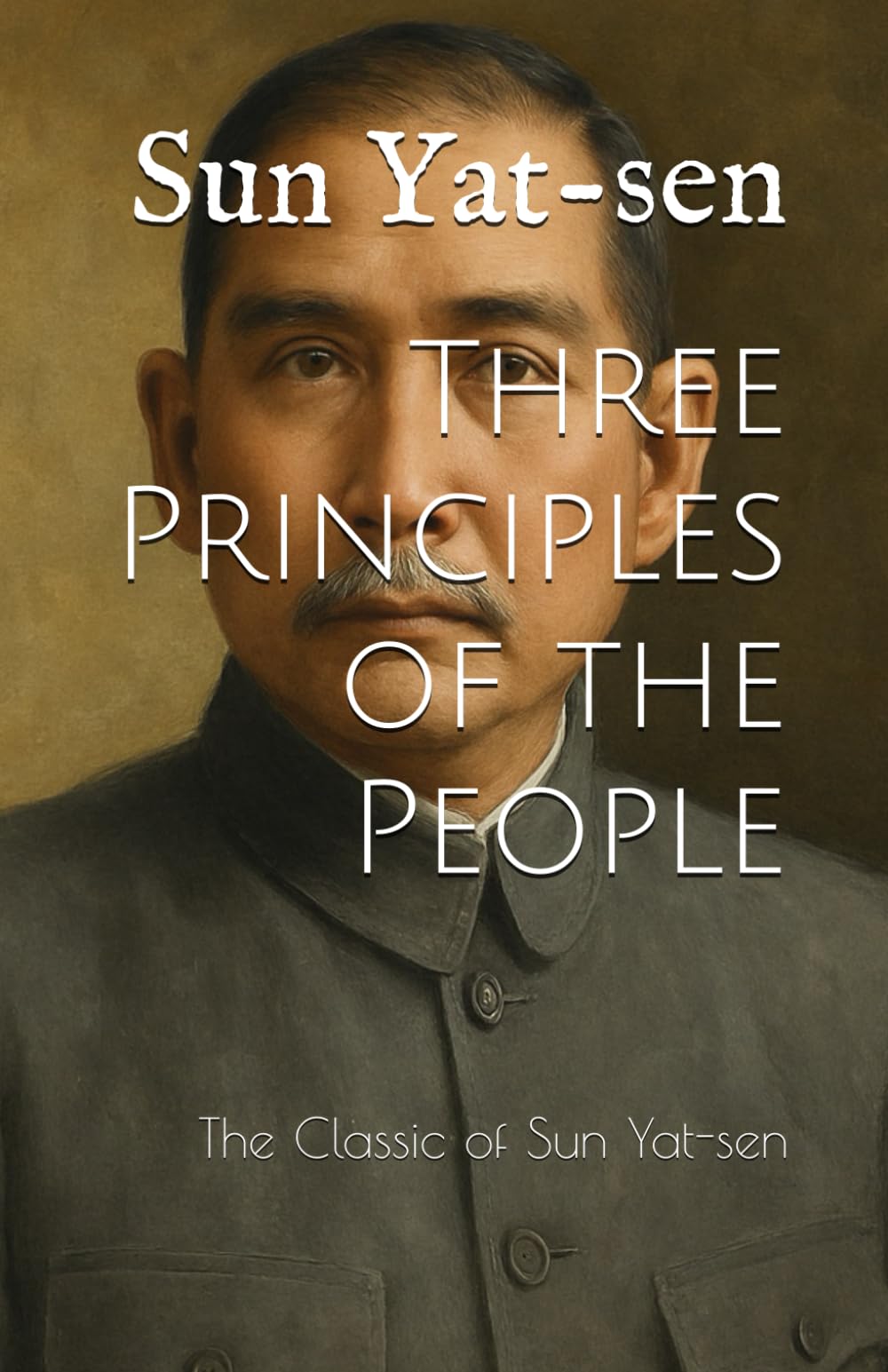



The Three Principles of the People stands as one of the most significant political texts of modern China, authored by the visionary leader and founding father of the Republic of China, Dr. Sun Yat-sen (1866–1925). In this work, Sun lays out his philosophical and political blueprint for the future of a free, independent, and prosperous China. Written during a time of national crisis, when the country was plagued by foreign imperialism, internal decay, and social disintegration, the Three Principles of the People articulates a compelling vision of national salvation and rejuvenation. The three principles—Nationalism (民族), Civil Rights (民权), and the People’s Livelihood (民生)—reflect Sun’s synthesis of Chinese tradition with modern Western political thought. Nationalism, for Sun, was not merely resistance against foreign domination but also the assertion of China’s dignity and self-determination as a modern nation-state. Democracy, in his conception, embraced not only political rights and constitutional government but also civic responsibility and popular participation. The principle of People’s Livelihood went beyond mere economic reform; it was his response to the social question, aiming to secure economic justice and improve the material well-being of the masses. Together, these principles formed an integrated ideology that sought to unite the Chinese people, reform the state, and ensure social equity. More than a century after its conception, the Three Principles of the People continues to resonate as an important historical document and a source of inspiration. It captures the idealism of a generation that yearned to end centuries of humiliation and backwardness and to join the ranks of free and prosperous nations. Sun Yat-sen’s ideas reflect not only his deep love for his country but also his awareness of the global currents of thought, showing his ability to adapt and innovate foreign ideas within the Chinese context. This edition presents the Three Principles of the People in its full text, offering readers an opportunity to engage directly with Sun’s words and his vision. For contemporary readers, it serves as both a window into the struggles and aspirations of early 20th-century China and as a reminder of the enduring values of national pride, democratic governance, and social welfare.