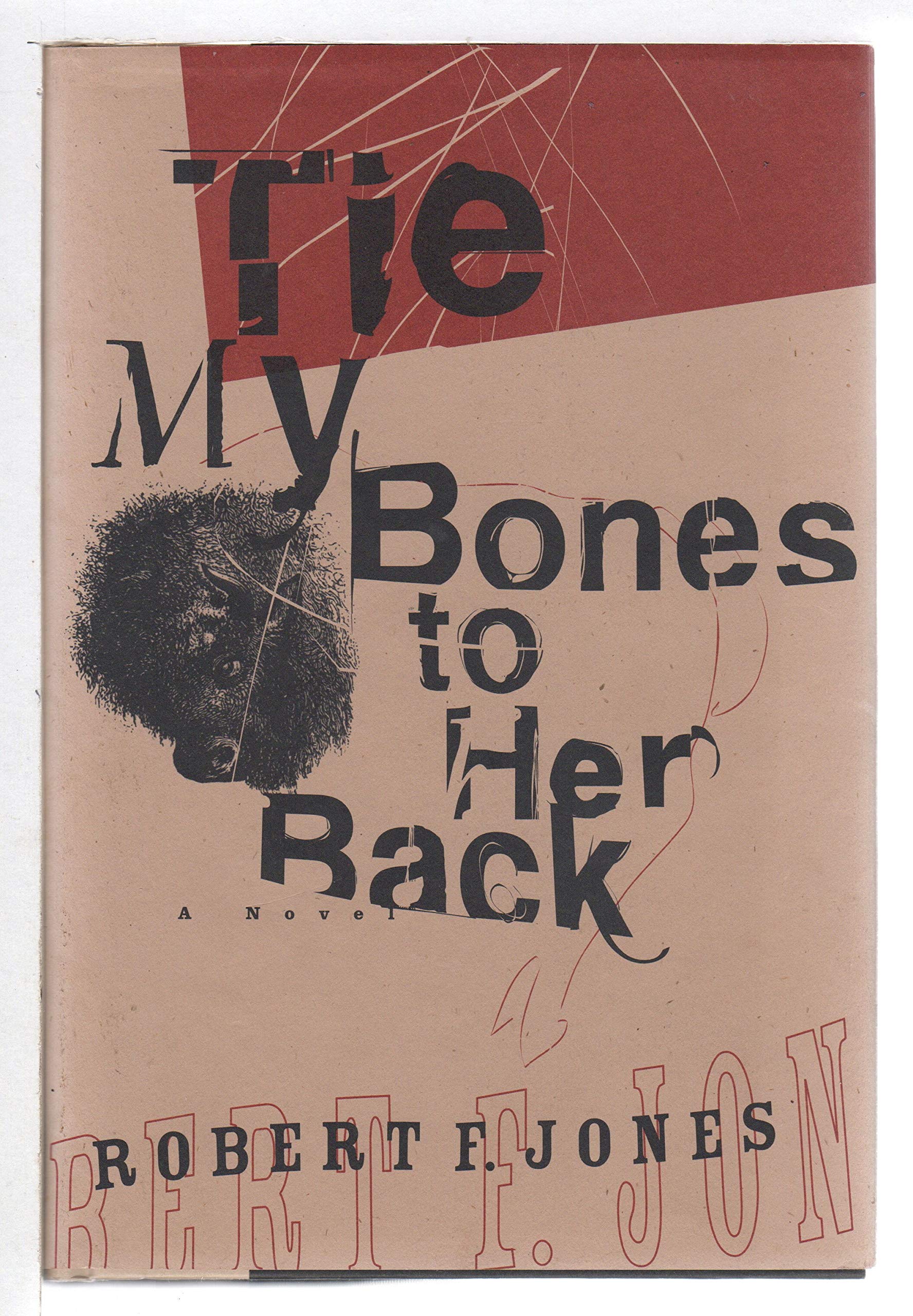



In 1873, Jenny Dousmann heads west to build a new life for herself and her older brother, Otto, only to be savagely raped while her brother is crippled during a blizzard, but, with the help of Two Shields, a half-Cheyenne, they find refuge for themselves among the Cheyenne. Set in the real wild west of 19th-century buffalo hunters, this is a starkly realistic novel of survival among whites scrabbling to make a living from selling hides and the grim, violent struggle between those whites and the native Indian bands. Otto Dousmann is a Civil War veteran turned hunter, joined by his sister Jenny when their parents die. But things go badly for them; Jenny is raped, Otto crippled. They take refuge with a band of Cheyenne under the care of Two Shields, an Indian buffalo skinner. Jones makes a clear contrast between Indian and white treatment of the buffalo (the whites compare badly in their wanton wasteful greed), but does not romanticize the lives of any of his characters. A victim of the panic of 1873, Jenny Dousmann travels west to live with her brother, Otto, and earn a living in the buffalo trade. But the herds are dwindling, and Jenny and Otto can barely survive. Then Jenny is raped by two U.S. soldiers, and Otto is crippled badly in a blizzard. Only when the pair are befriended by a Cheyenne brave does a ray of hope emerge. But even survival has its price: Jenny and Otto must leave their lives behind and become members of the tribe. They learn to hunt the Indian way, to live the Indians' simple life, and to understand and accept the tribal culture. Jenny also crosses paths with one of the men who raped her, but this time the encounter is of a very different sort. This is a tough, uncompromising look at pioneer lives and the often soul-searing cost of survival. Jenny Dousmann is one of the more memorable protagonists in recent western fiction. Her ever-increasing courage and self-reliance are the key elements in a beautifully rendered metamorphosis. Wes Lukowsky Jones favors vividly observed wilderness settings for his fiction (Blood Tide, 1990, etc.), and this latest novel is no exception. It's set in the American West during the last days of the old frontier--when the slaughter of buffalo is ending one way of life to make room for another. In Wisconsin in 1873, Jenny Dousmann awakens one morning to a life radically altered by the nation's financial panic, as her mother follows her father in suicide at the threat of losing their farm. Her buffalo-hunting brother Otto comes home to settle family affairs, and Jenny decides to return west with him, unmoved by warnings of danger and deprivation. Joining him, his partner Raleigh, and their two skinners--the half-breed Tom and the southern cracker Milo--as the camp cook, she's content with her new lot until fate intervenes. Milo and Otto are attacked by Indians, but the southerner runs, returning to camp with a tale of Otto's death. Then Jenny saves Tom's life when the white men turn on him, only to be raped by them when he escapes. She rides off to search for Otto, finding him alive just before a howling blizzard descends; afterward, he's saved from death only when Tom persuades his Indian friends to take severely frostbitten Otto to an Army fort for care. He loses an arm, and his will to live, but Jenny takes him with her to stay with Tom's people, the Cheyenne, with whom she and Otto find respect and a new life. On a mission to sacred Buffalo Butte to save the buffalo, they encounter Raleigh and Milo, now serving as guides to a foppish English nobleman and his entourage, and old scores are settled with bloody finality. No major variations here on the noble savage theme, and no significant depth of character, but substantial research and sharp detail give this an arresting authenticity. -- Copyright ©1996, Kirkus Associates, LP. All rights reserved. Any used to the usual placid Western adventure will find Jones provides a horse of a different color: a candid, powerful, even brutal portrait of the American West which follows two German immigrants into a land where Hostiles abound, dangers come from whites as well as Indians, and families vanish overnight. The protagonist of feisty Jenny is particularly well done in this powerful novel. -- Midwest Book Review [Jones] portrays the thrill of the hunt, animal or human, with a lyricism that is often unnerving and a realism that belies the glamour of conquest and adventure. -- The New York Times Book Review, Linda Barrett Osborne