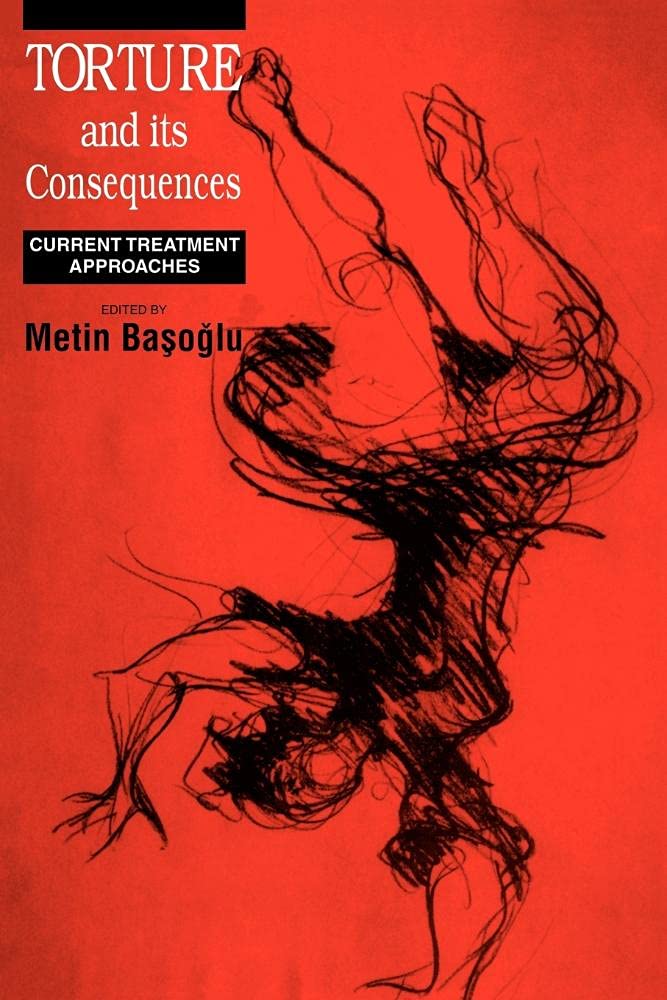



Despite numerous international declarations and conventions prohibiting human rights violations, torture remains a major problem in many countries of the world. This book reveals in some detail the medical, psychiatric and psychological problems confronting the survivors of torture, and reviews the various and sometimes conflicting treatment approaches available to those involved in their care. Contributions are drawn both from host countries treating refugees who have experienced torture and from countries where treatment and rehabilitation of torture survivors has taken place in a setting of continuing repression and victimization. This handbook has become a classic resource, providing theoretical and practical information which addresses the needs of all health workers helping survivors of torture. Its reviews of issues in the sociology and psychobiology of organized violence also serve to command the interest of a much wider readership. 'The editor set out to summarize what is known about traumatic stress that could benefit workers in the field of torture. This goal has been met and exceeded, resulting in a volume of importance to anyone with an interest in the field of trauma. Each of the volume's sections offers authoritative and informative chapters written by leaders in their fields.' Journal of Nervous and Mental Disease 'The strengths of this book lie in the scholarly approach to a sociopolitical phenomenon, clearly and in an accessible way. The book is a landmark in that it has brought together international research and practice of relevance to those working with survivors of torture and organized violence. There are some excellent chapters, for example, on uncontrollable and unpredictable stress, and on sexual torture. All in all … this book is an important contribution to the field and of potential interest to all those interested in upholding human rights and in working with those who have suffered the gravest human rights abuses.' Nimisha Patel A classic publication in this field which serves as a scholarly yet very practical resource. Metin Basoglu, MD, PhD and Professor of Psychiatry, is currently the head of Trauma Studies at the Institute of Psychiatry, King's College London and the director of the Istanbul Centre for Behaviour Research and Therapy, Istanbul. He is internationally recognised as one of the most prominent authorities on torture, war and earthquake trauma. In 1992 he published the edited volume Torture and Its Consequences: Current Treatment Approaches, which defined a scientific discipline at the crossroads of human rights, medicine and social sciences and established itself a classic reference book on torture. His subsequent work focussed on the development of an evidence-based mental health care model for mass trauma survivors based on brief, effective and largely self-help behavioural treatments. In recent years he published to international acclaim research articles demonstrating that the widely presumed distinction between torture and cruel, inhuman and degrading treatments (or 'light torture') is not supported by empirical evidence and that the latter cause more psychological damage than physical torture. His work, pointing to the need for a broader and evidence-based definition of torture, received wide attention in the fields of human rights, mental health, social sciences and law, as well as from the world media. Used Book in Good Condition