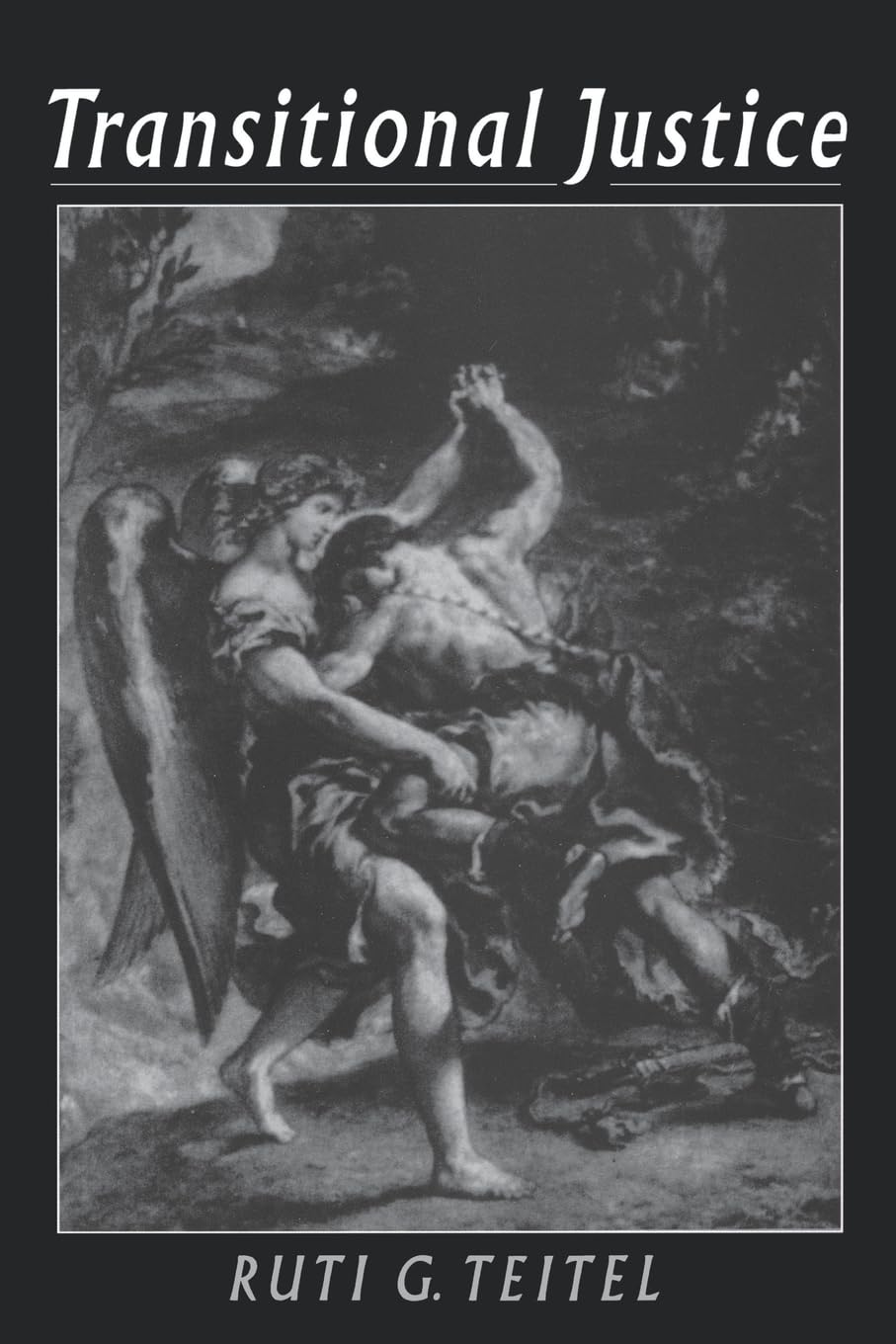



At the century's end, societies all over the world are throwing off the yoke of authoritarian rule and beginning to build democracies. At any such time of radical change, the question arises: should a society punish its ancien regime or let bygones be bygones? Transitional Justice takes this question to a new level with an interdisciplinary approach that challenges the very terms of the contemporary debate. Ruti Teitel explores the recurring dilemma of how regimes should respond to evil rule, arguing against the prevailing view favoring punishment, yet contending that the law nevertheless plays a profound role in periods of radical change. Pursuing a comparative and historical approach, she presents a compelling analysis of constitutional, legislative, and administrative responses to injustice following political upheaval. She proposes a new normative conception of justice--one that is highly politicized--offering glimmerings of the rule of law that, in her view, have become symbols of liberal transition. Its challenge to the prevailing assumptions about transitional periods makes this timely and provocative book essential reading for policymakers and scholars of revolution and new democracies. "A model of transitional justice that is valuable to legal scholars [and] contribute[s] in important ways to the comparative study of tranitional law, both past and present."-- ichigan Law Review "A valuable contribution to the growing body of scholarly literature."--Aryeh Neier, New York Review of Books "Impressive....Teitel goes through the complex issues raised during transitional periods in an ambitious attempt to construct the language of a new jurisprudence. What is novel about Teitel's approach is the attempt to provide an overarching approach to understanding issues that arise in and out of transitional justice....[The book] is filled with fresh ideas and interesting, provoking perspectives....Essential reading for all those facing the complexities of transition in practice."--Times Higher Education Supplement "A model of transitional justice that is valuable to legal scholars [and] contribute[s] in important ways to the comparative study of tranitional law, both past and present."-- ichigan Law Review "A valuable contribution to the growing body of scholarly literature."--Aryeh Neier, New York Review of Books "Impressive....Teitel goes through the complex issues raised during transitional periods in an ambitious attempt to construct the language of a new jurisprudence. What is novel about Teitel's approach is the attempt to provide an overarching approach to understanding issues that arise in and out of transitional justice....[The book] is filled with fresh ideas and interesting, provoking perspectives....Essential reading for all those facing the complexities of transition in practice."--Times Higher Education Supplement "A model of transitional justice that is valuable to legal scholars [and] contribute[s] in important ways to the comparative study of tranitional law, both past and present."-- ichigan Law Review "A valuable contribution to the growing body of scholarly literature."--Aryeh Neier, New York Review of Books "Impressive....Teitel goes through the complex issues raised during transitional periods in an ambitious attempt to construct the language of a new jurisprudence. What is novel about Teitel's approach is the attempt to provide an overarching approach to understanding issues that arise in and out of transitional justice....[The book] is filled with fresh ideas and interesting, provoking perspectives....Essential reading for all those facing the complexities of transition in practice."--Times Higher Education Supplement "A model of transitional justice that is valuable to legal scholars [and] contribute[s] in important ways to the comparative study of tranitional law, both past and present."-- ichigan Law Review "A valuable contribution to the growing body of scholarly literature."--Aryeh Neier, New York Review of Books "Impressive....Teitel goes through the complex issues raised during transitional periods in an ambitious attempt to construct the language of a new jurisprudence. What is novel about Teitel's approach is the attempt to provide an overarching approach to understanding issues that arise in and out of transitional justice....[The book] is filled with fresh ideas and interesting, provoking perspectives....Essential reading for all those facing the complexities of transition in practice."--Times Higher Education Supplement Should a newly-forged society punish its ancien regime or let bygones be bygones? Ruti G. Teitel is at New York Law School.