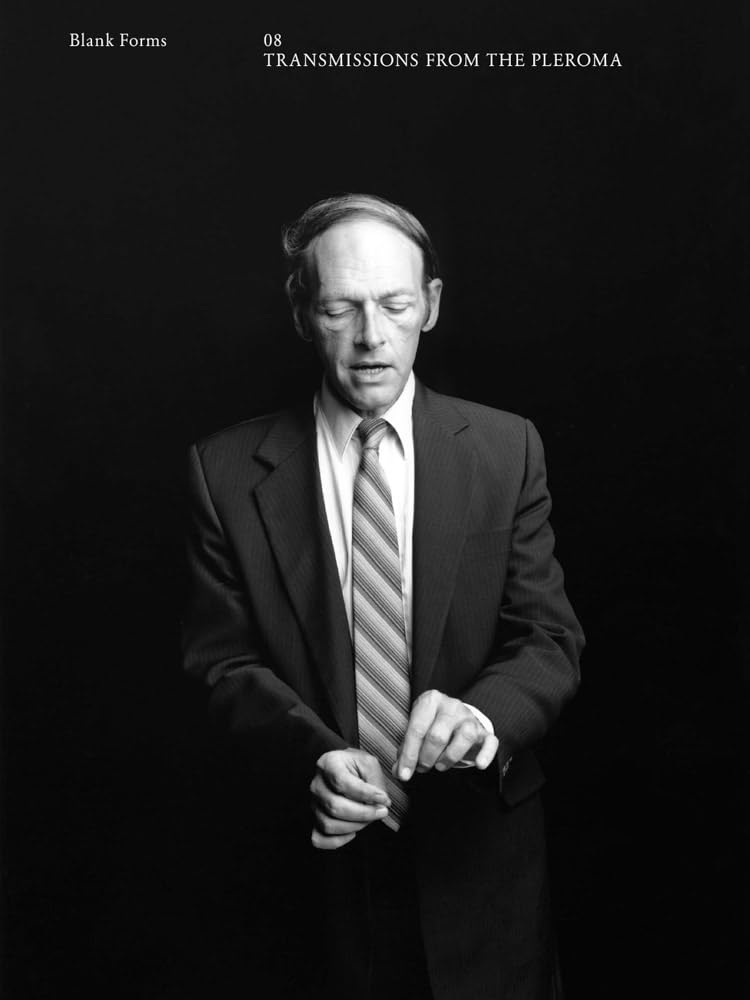



Archival documents and new writings on Jerry Hunt, video-art pioneer and electronic magus Jerry Hunt (1943–93) is sometimes described as a shamanic figure with the look of a “Central Texas meat inspector.” One of the most compelling composers in the word of late 20th-century new music, he made work that combined video synthesis, installation art and early computers with rough-hewn sculptures, scores drawn from celestial alphabets and homemade electronics activated by his signature wands and impassioned gestures. Hunt lived his entire life in Texas, between Dallas, Waco, Houston and Austin, eventually settling in a house he built himself ("an interactive environment") on a ranch in Canton, but his pataphysical, abrasive and humorous performances took him all over North America and Europe, where he amassed a small but dedicated following. This volume represents the first ever book-length collection devoted to the underknown composer's work, and includes an introductory essay by Tyler Maxin and Lawrence Kumpf, interviews with Hunt, detailed analyses of his music and video practices, and remembrances and reflections on his work from his friends and collaborators. Given the diversity of Hunt's practice, this book will be of great interest to scholars, practitioners and enthusiasts in the fields of contemporary art, music and sound art, video and media, and performance. The publication is occasioned by a 2021 exhibition of Hunt’s work at Blank Forms. Examines Hunt’s career, showcasing his videos, photographs of his outré performances, handwritten musical scores and enigmatic objects such as his totem-like “wands,” made with the assemblage artist David McManaway. -- Martha Schwendener ― New York Times: Arts Artiste et musicien né au Texas, Jerry Hunt (1943-1993) était une figure singulière et l'un des artistes les moins orthodoxes de sa génération. L'un des compositeurs les plus fascinants de la fin du XXe siècle, il a créé des œuvres aussi remarquables que méconnues qui combinent la synthèse vidéo, la performance, l'installation et les premiers ordinateurs, avec des sculptures rudimentaires, des partitions tirées d'alphabets célestes, des éléments de l'astrologie du XVIe siècle et des appareils électroniques faits maison. Hunt a vécu toute sa vie au Texas, s'installant finalement dans une maison (un « environnement interactif ») qu'il a construite avec son compagnon, Stephen Housewright, dans une zone rurale à l'extérieur de Canton ; mais ses performances pataphysiques, abrasives et humoristiques l'ont amené à traverser l'Amérique du Nord et l'Europe, où il s'est constitué un public restreint mais dévoué.