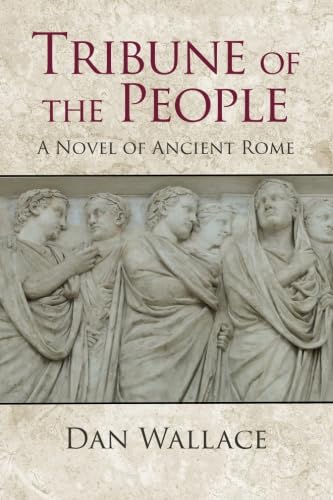



Tiberius Gracchus, the son of a celebrated plebeian father and a venerated patrician mother, fully expects to pursue the course of honor in Rome. After all, at just age 17, he won the Mural Crown for being first over the wall in the last, furious assault on Carthage. Ten years later, his path to glory takes him through northern Italia as a high-ranking officer to join the legions at war against Numantia in Hispania. On his way, however, the sight of countless throngs of starving veterans and their families stuns Tiberius. The devastating vision of fellow plebeians forced off their land by greedy patricians troubles Tiberius profoundly. In Hispania, though grave setbacks plague the Roman army, Tiberius saves 20,000 Roman troops from certain destruction at the hands of the Numantines. Yet, he finds himself persecuted by enemy Senators who hope to send him back to the barbarians naked and in chains. In turn, Tiberius runs for tribune of the people, promising to restore to the plebeian veterans their land taken by predatory patricians who include his cousin and brother-in-law. Through all, Tiberius struggles to reconcile his ambition with the fears of his beloved wife Claudia and the demand for honor of his mother Cornelia. Ultimately, the escalating class dispute embroiling him ends in violence and bloodshed, the first spilled in the Roman Forum in 500 years.Tiberius's pursuit of distinction in Rome predates the age of Julius Caesar by 50 years and set the stage for the last days of the Roman Republic. From Publishers Weekly Wallace's epic novel triumphs with a vivid historical account of ambitious elite Roman politicians and generals. In 138 B.C.E., Tiberius Sempronius Gracchus is a plebian, son of a war hero, and married into a noble patrician family. Returning from war with Carthage, Tiberius questions the brutal slaughter of whole populations. On the road to another war, this time facing the Numantines of Hispania, Tiberius witnesses starving, homeless veterans whose land was confiscated by greedy patricians. He calls the sight an "even more insidious, more despicable form of conquest and murder." After negotiating a truce with the Numantines that spares the lives of 20,000 Roman soldiers, Tiberius retreats to Rome in humiliation. Saved from exile by his loving father-in-law Appius Claudius Pulcher, Tiberius becomes tribune of the people. He passes the lex agraria land reform law to protect landed veterans. But his political enemies--arrogant cousin Publius Cornelius Scipio Nasca and bully Lucius Rufus Faba--pounce. Wallace fully cultivates ancient Rome, exposing political machinations and carefully crafted events exploited to achieve maximum status. Through intricate plotting, Wallace creates an absorbing balance between brutal war and scheming politics. (Mar.)From Library Journal This thoroughly researched novel is as dramatic and gory as any swords-and-sandals epic and demonstrates how educational historical fiction can be. A wide cast of characters including soldiers, senators, slaves, mothers, and wives expand the reader's understanding of life in this time.--Catherine Lantz, Univ. of Illinois at Chicago Lib.From Midwest Book Review A deftly constructed, exceptionally well written, and consistently compelling read from beginning to end, "Tribune of the People" is a truly impressive novel of the old Roman Empire by Dan Wallace. This is the stuff from which block-buster movies are made! While very highly recommended for community library Historical Fiction collections, it should be noted for personal reading lists that "Tribune of the People" is also available in a Kindle edition ($9.99).From The US Review of Books If you cannot own your own land, why should you fight for the wealth of those who use their power to take yours? To its credit, there is something decidedly old-school about Wallace's tale of ancient Rome. One feels that it ought to be found in a stately public library or in a quaint, out-of-the-way bookstore specializing in hard-to-find editions. There, sequestered on a high shelf untouched by the night maid's feather duster, would reside this engrossing tale of honor and ignominy, triumph and tragedy, passion and pathos played out in togas, swords,and sandals.Tiberius is the son of a legendary Roman. A hundred and forty-six years before the birth of Christ, he takes part in the siege of Carthage and wins glory for his brave deeds. Thus begin the exploits of an honest and good family man forced to navigate the treacherous waters of brutal enemies, envious cohorts, scheming senators, and the mercurial nature of the Roman rabble. There is much to admire in Wallace's epic tale. He vividly depicts the opulence and grandeur of the ruling classes while simultaneously detailing the sights, sounds, smells, and squalor of those not born to wealth or position. His battle scenes pulse with excitement as he couples the weapons,tactics, and strategies of war with the carnage they wreak. No less c