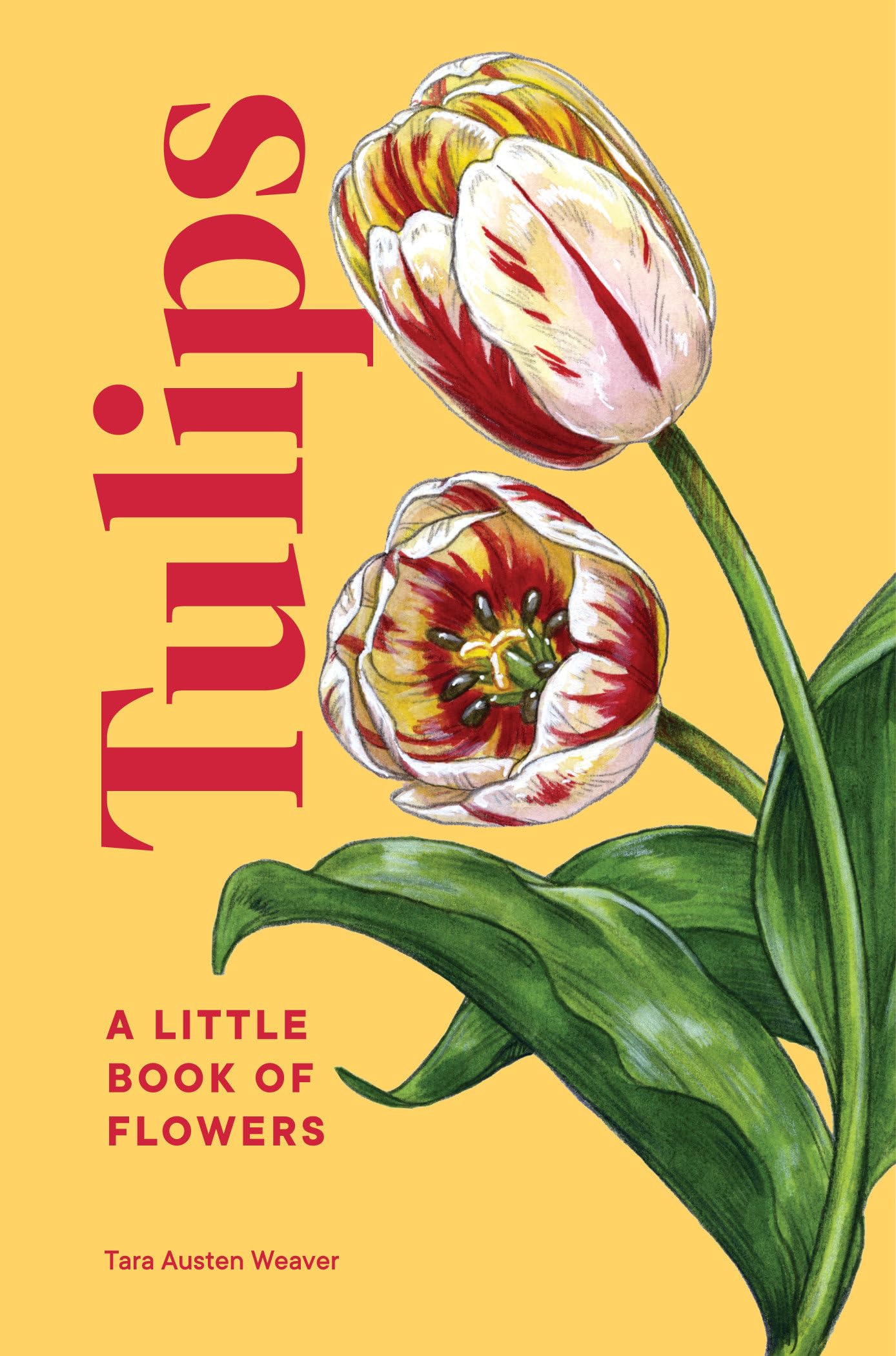
Tulips: A Little Book of Flowers (Little Book of Natural Wonders)
$14.95
by Tara Austen Weaver



This fascinating celebration of the tulip reads like a “very smart love letter to cultivating beauty” and features 40+ vintage-inspired full-color botanical illustrations ( Seattle Times ). “Delightful…Next time you are lucky enough to be someone’s houseguest, consider arriving with a bouquet of either one of the Little Book of Flowers.” — The New York Times After a drab winter, tulips triumphantly emerge from the spring garden, a colorful symbol of rebirth. These humble bulbs have been celebrated, stolen, carried across oceans; at times they have been considered as precious as rubies. Happily for us, these days they are affordable luxuries—and easy to grow as well. This charming little hardcover book includes: 40+ full-color botanical illustrations - basic botany and history - everything you need to know to grow gorgeous blooms in the garden - tips for creating beautiful arrangements - quotes, lore, and notable gardens and growers Like a bouquet of tulips, this book is the perfect hostess gift or Mother's Day present for gardeners and flower lovers. It’s part of the collectible mini gift book series Little Book of Natural Wonders. “Delightful…Next time you are lucky enough to be someone’s houseguest, consider arriving with a bouquet of either one of the Little Book of Flowers.” -The New York Times "In 'A Little Book of Flowers,' a new series of single bloom titles, author Tara Austen Weaver weaves together basic botany and culture. Each posey-size volume reads like a very smart love letter to cultivating beauty. . . Charming illustrations by Emily Poole and numerous quotes tug at our horticultural heartstrings, while a serviceable glossary and resource section at the back of each book indulge our yearning to grow more flowers and deepen our knowledge of the natural world." —Seattle Times, Pacific NW Magazine TARA AUSTEN WEAVER is an award-winning writer, editor, and avid gardener. She is author of several books, including Orchard House (finalist for the Washington State Book Awards), Growing Berries and Fruit Trees in the Pacific Northwest , and the Little Book of Flowers series. She is trained as a Permaculture Designer, Master Gardener, and Master Composter/Soil Builder. Tara writes frequently about gardening, agriculture, food, art, travel, and social justice. ORIGIN OF THE SPECIES “The tulip is a flower that draws some of the most exquisite lines in natures and then, in spasms of extravagance, blithely oversteps them.” --Michael Pollan, The Botany of Desire “Tulips were a tray of jewels,” wrote E. M. Forster in his novel Howards End , and the gem comparison is an apt one. After a drab winter, tulips sally forth with their long stems and oval-shaped buds opening to blooms all colors of the rainbow--from deep scarlet and purple, to the Easter egg pastels of pink, lavender, and pale yellow. Tulips come striped, painted in contrasting colors, or rimmed in white or gold. Swaying, as they do, above the new growth of a spring garden, tulips are a symbol of rebirth, as colorful and triumphant as a flower could be. The story of tulips weaves through political and economic history like few other flowers. These humble bulbs we tuck into garden beds have been gifted by sultans and queens, they have been celebrated, stolen, carried across oceans and plai[ns; at times they have been considered as precious as rubies. Happily for us, these days they are affordable luxuries--and easy to grow as well. More than anything else, tulips are a gift we give ourselves. The bulbs we plant each year are an act of hope that has played out for centuries--the hope that this small autumnal effort will yield great beauty come spring. Modern-day tulips trace their roots to a swath of territory stretching from the Mediterranean across Central Asia and up into the Tian Shan mountain range. Tulips have been able to thrive in climates with cold winters and hot, dry summers, as their bulbs allow the plant to go dormant and store energy for the next spring. While the wild species are shorter and smaller than our modern-day tulip hybrids, they share the same six petals and elongated gray-green foliage recognized throughout the world. The earliest known physical record of tulips dates to illustrations in a twelfth-century bible, where the text is embellished with images of the flowers. Tulips were certainly cultivated before that time, but the history has been lost. Mention of the flowers do show up in several versions of ancient legend, however. In one, a Persian youth is so heartbroken over the loss of his beloved that he mounts a favorite horse and rides it at full speed off the edge of a cliff to his death. It is said that red tulips sprouted from the ground that was soaked in his blood. Another story tells of a lovelorn young man rejected by his sweetheart, who cries with the pain of heartbreak. Where his tears fall to the ground, tulips grow. For generations now, tulips have been a symbol of great love.