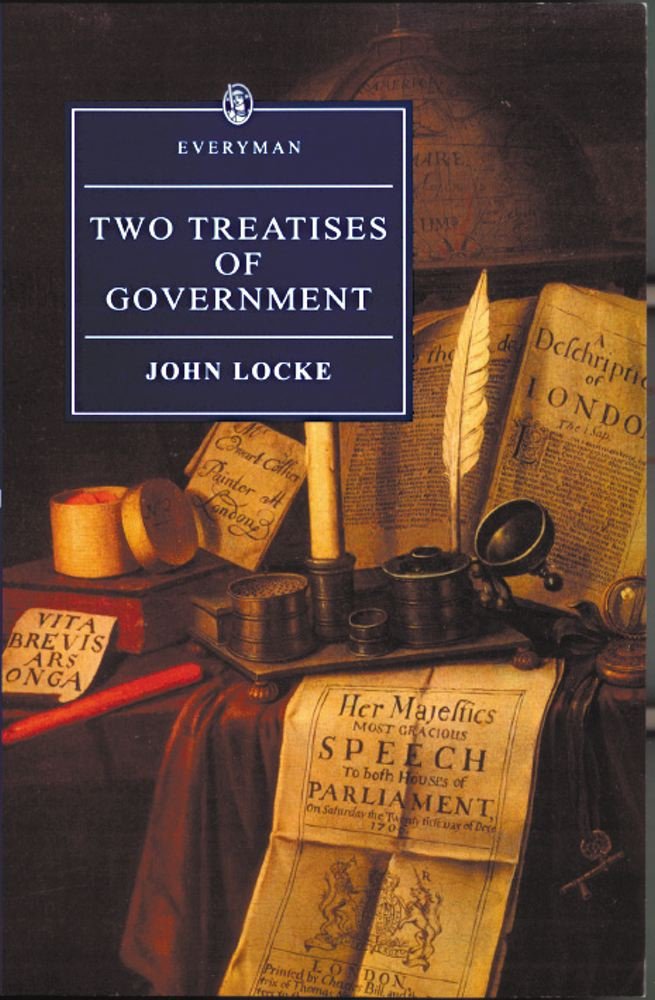



John Locke laid the groundwork of modern liberalism. He argued that political societies exist to defend the lives, liberties and properties of their citizens and that no government has any authority except by the consent of the people. When rulers became tyrants and act against the common good, then the people have the right of revolution against them. Writing against the backdrop of Charles II's savage purge of the Whig movement, Locke set out to attack the fabric of the divine right of rulers. The rights of property- owners, of Native Americans, and of women and children, the need for economic improvement, the separation of commands, and the nature and limits of consent—these are all topics within Locke's compass and make this book the subject of intense debate. This is the first modernized edition of the Two Treatises based on Locke's own corrected text as he left it for posterity at his death. It includes an introduction, chronology of Locke's life and times, extensive glossary and keyword index. Founded in 1906 by J.M. Dent, the Everyman Library has always tried to make the best books ever written available to the greatest number of people at the lowest possible price. Unique editorial features that help Everyman Paperback Classics stand out from the crowd include: a leading scholar or literary critic's introduction to the text, a biography of the author, a chronology of her or his life and times, a historical selection of criticism, and a concise plot summary. All books published since 1993 have also been completely restyled: all type has been reset, to offer a clarity and ease of reading unique among editions of the classics; a vibrant, full-color cover design now complements these great texts with beautiful contemporary works of art. But the best feature must be Everyman's uniquely low price. Each Everyman title offers these extensive materials at a price that competes with the most inexpensive editions on the market-but Everyman Paperbacks have durable binding, quality paper, and the highest editorial and scholarly standards.