Two Years in the Anglo-Boer War: The South-African war 1899 to 1902
$24.95
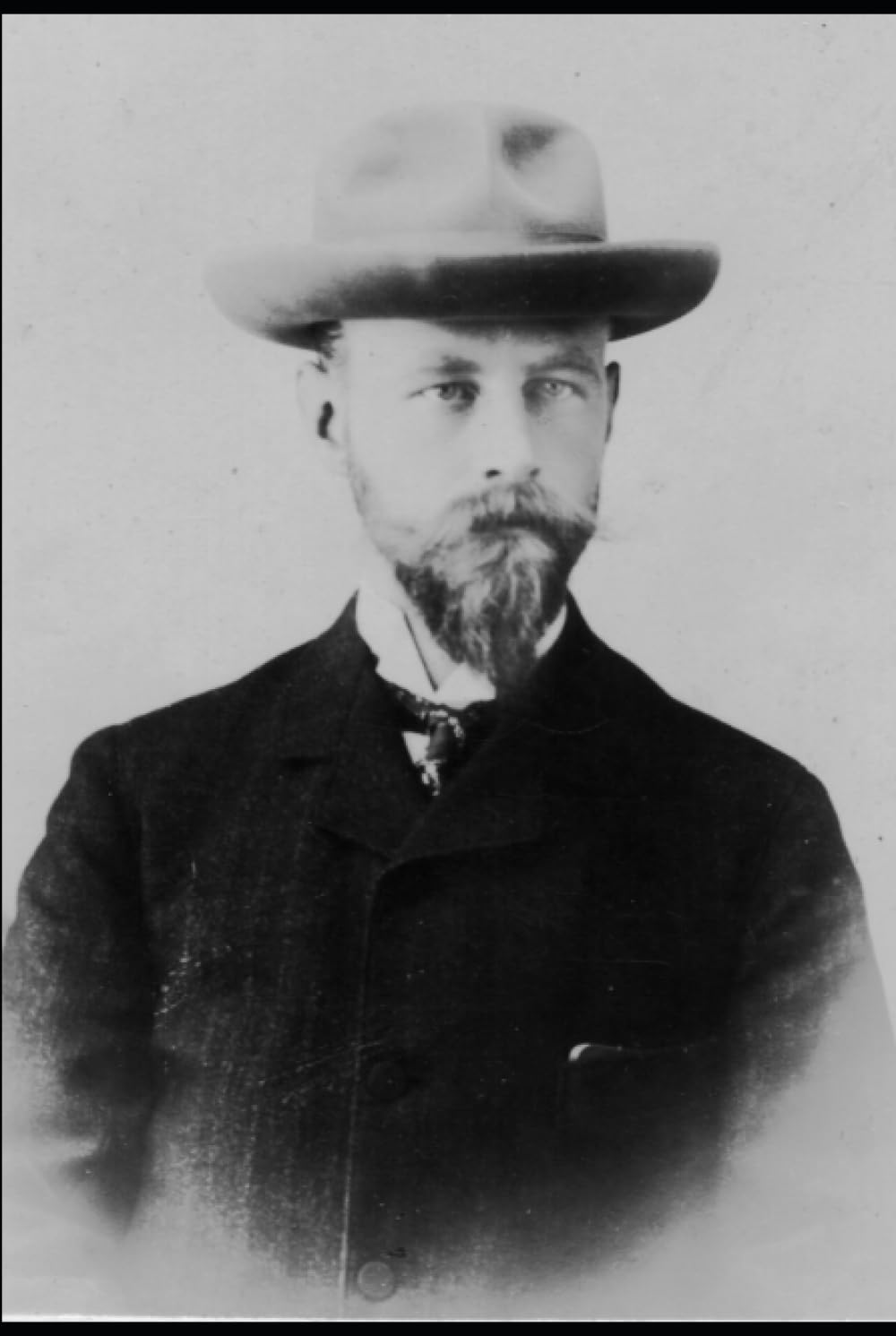
by Hendrik Ver Loren Van Themaat



Powerful states have invaded weaker countries since the earliest times,with civilians in the invaded territories bearing the brunt of the horrors and casualties. Hunger for wealth, including taking over and occupying land and territories, can always be identified as the main motive for this aggression. For four centuries European monarchs and states spread their tentacles throughout the world. The South African War (British term) or Anglo-Boer War (European term) was special in many ways in that: 1. It was the first time that fighting was with rifles and guns, with swords and sables playing a negligible or no role in the war. 2. It was the last non-mechanised War. Twelve years later, the First World War was fully mechanised. 3. It was the last serious war of the 19th century and the first of the 21st century, 4. It took three years for the greatest world power of the time to invade and finally occupy two small, unsophisticated Farmer Republics. 5. An overwhelming (ten to one) force of well-trained soldiers struggled to contain burghers defending their homeland. 6. The defenders' effective deployment of small mobile commandos played a large role. 7. The use of trenches as a defence against large numbers of storming troops was effective and clearly illustrated. This is a translation of a Dutch book a volunteer wrote after joining the Republican forces in the South African War (1899 to 1902). He was still studying at the University of Leiden in the Netherlands when he felt compelled to travel to South Africa to offer his services. The preface of the book, which was published in 1902 in Dutch in the Netherlands reads thus: I lived through two years of the Afrikaner people's struggle to remain independent from the British Empire’s aggressive war of occupation. On my return to the Netherlands, I thought that I must share everything I had seen and experienced. Therefore, I wrote this book. This was the first war where swords and sables played no significant role but before technological development allowed mechanised wars. It was fought by riflemen on horseback, supported by horse-drawn canons. The action occurred over distances of hundreds of meters without the enemies fighting face-to-face. The only mechanisation was steam-trains, which were used as transport. The English also used them effectively as carriers of the newly invented Maxim machine gun and canons. This was the last non-mechanised war, the last of an old era. When the First World War broke out only 12 years after this war ended it was fully mechanised. Within the short intervening 12 years new technology allowed the development and extensive use of tanks, and aircraft, and submarines. All battles and skirmishes relied on these. At the time of the Anglo-Boer War, the internal combustion engine had not yet been usefully commercialised. The Wright brothers first flew a full year after this war ended. Communication was by heliographs; Morse code telegraph cables were too easily cut to be reliable. Radio did not exist - Marconi only proved and then transmitted a radio signal to the USA, just before the war ended. The diary H Ver Loren van Themaat kept gives a unique insight into the actual experiences in the field through the eyes of a highly educated, 25 years old student turned fighting Burgher. He shares his well-considered thoughts about occurrences in an often-humorous way.