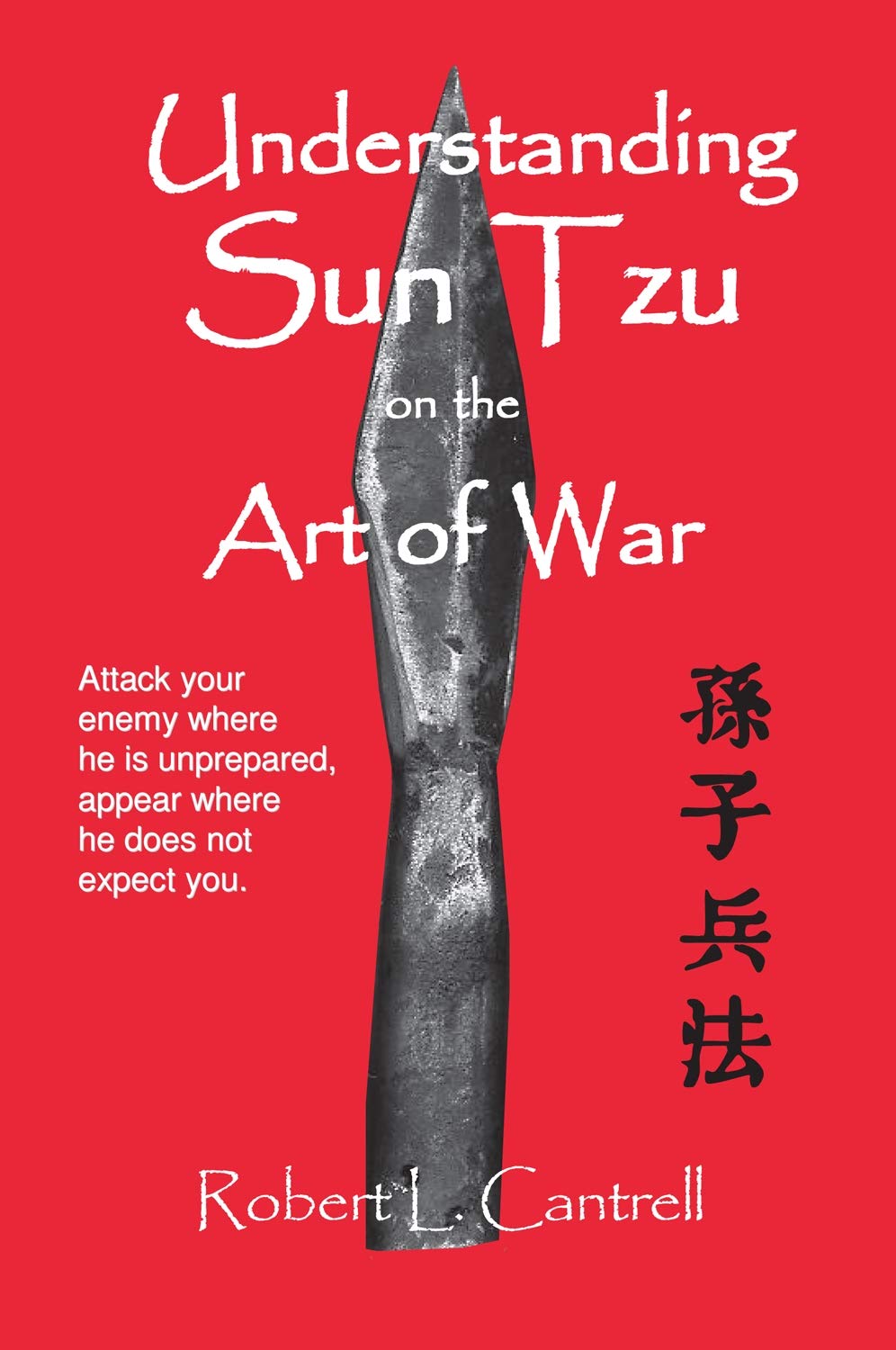



Understanding Sun Tzu on the Art of War is both a source and an interpretation of Sun Tzu's Art of War written to clarify Sun Tzu's philosophies on war without compromising the subtlety of thought needed to master them. Readers of this book, from across professional disciplines, will find key advice on leadership, advantage, and how to proficiently overcome adversaries. Sun Tzu on the Art of War, an ancient Chinese treatise on military strategy, is now required reading at military, business, and law schools in the United States and around the world. Possibly no book in history better describes how to win conflicts in any profession. Those who practice conflict resolution frequently use Sun Tzus philosophies as the cornerstone of their ways. Understanding Sun Tzu on the Art of War explores the meaning of Sun Tzus philosophies through the use of high impact case examples, most involving American or British military forces. While also presenting strategic tools for use in any professional conflict, this book never lets readers forget that the original Chinese text is about war. For those with an interest in current military events, this book provides fertile ground for discussion on coalition war methods and aims. For all professions, military or otherwise, this book gets to the heart of efficient conflict resolution theory. Topics discussed include: INTRODUCTION A brief history of Sun Tzu on the Art of War and the underlying Taoist philosophy from which it was written WINNING WHOLE How to win with your resources and your objective intact LEADING TO ADVANTAGE How to prepare and position your soldiers for victory DECEPTION How to keep your intentions secret from opponents ENERGY How to apply force effectively and efficiently STRENGTHS & WEAKNESSES How to find the best path to the goal INITIATIVE How to take and keep the advantage SUN TZU ON THE ART OF WAR A complete translation CONCLUSION Philosophical significance of Sun Tzu on the Art of War in competitive strategy Understanding Sun Tzu on the Art of War contains a complete translation of Sun Tzu's Art of War. The book is in use by the National Defense University and the U.S. Naval War College for strategy courses taught to senior military officers. Understanding Sun Tzu on the Art of War offers hard earned truths on competition and conflict as presented by a soldier and philosopher who could as easily have lived today as 2,500 years ago. It presents these truths in an easy to read format that you can finish in the time it takes to fly from Washington D.C. to Chicago. Robert Cantrell first studied Sun Tzu on the Art of War for its intended purpose while training to be a military officer at Duke University in 1985. He graduated from Duke University in 1987 with a degree in biology and military science and served on active duty with the 101st Airborne Division of the U.S. Army as an infantry platoon leader. Picture the rapids of a great river. See its waters rush over and around giant boulders. Close your eyes and listen to its roar. Then feel its relentless power when it crashes over a precipice. Now picture that you remove a cup of water anywhere along this river and sense how that water loses its power and starts to dry up in the sun. Then empty the cup back into the river, and know that as a part of the whole river, that water wears rocks into sand and does not dry up. So a soldier and philosopher observing a river from its banks in this fashion might hypothesize that a great army kept whole can conquer nations and still stay whole, but an army divided or too small will face peril and death. Any review he might make of successful military campaigns in the past and in his present would confirm his hypothesis. Like a river on its journey to the sea, he could therefore conclude that the way of fighting involves fighting as a unified whole, an entire army acting as one, with one objective in mind, and with its own preservation as an army also kept in mind. This philosopher records his idea in writing on the bamboo strips of his time. Later, readers of his work see that his idea rings true regardless of their profession. A powerful and universal principle comes to light called the principle of winning whole, meaning winning with your resources and your objective intact. It represents the first of six universal principles described by Sun Tzu that, when used together as one, present the most powerful strategic method yet recorded in any profession for winning conflicts.