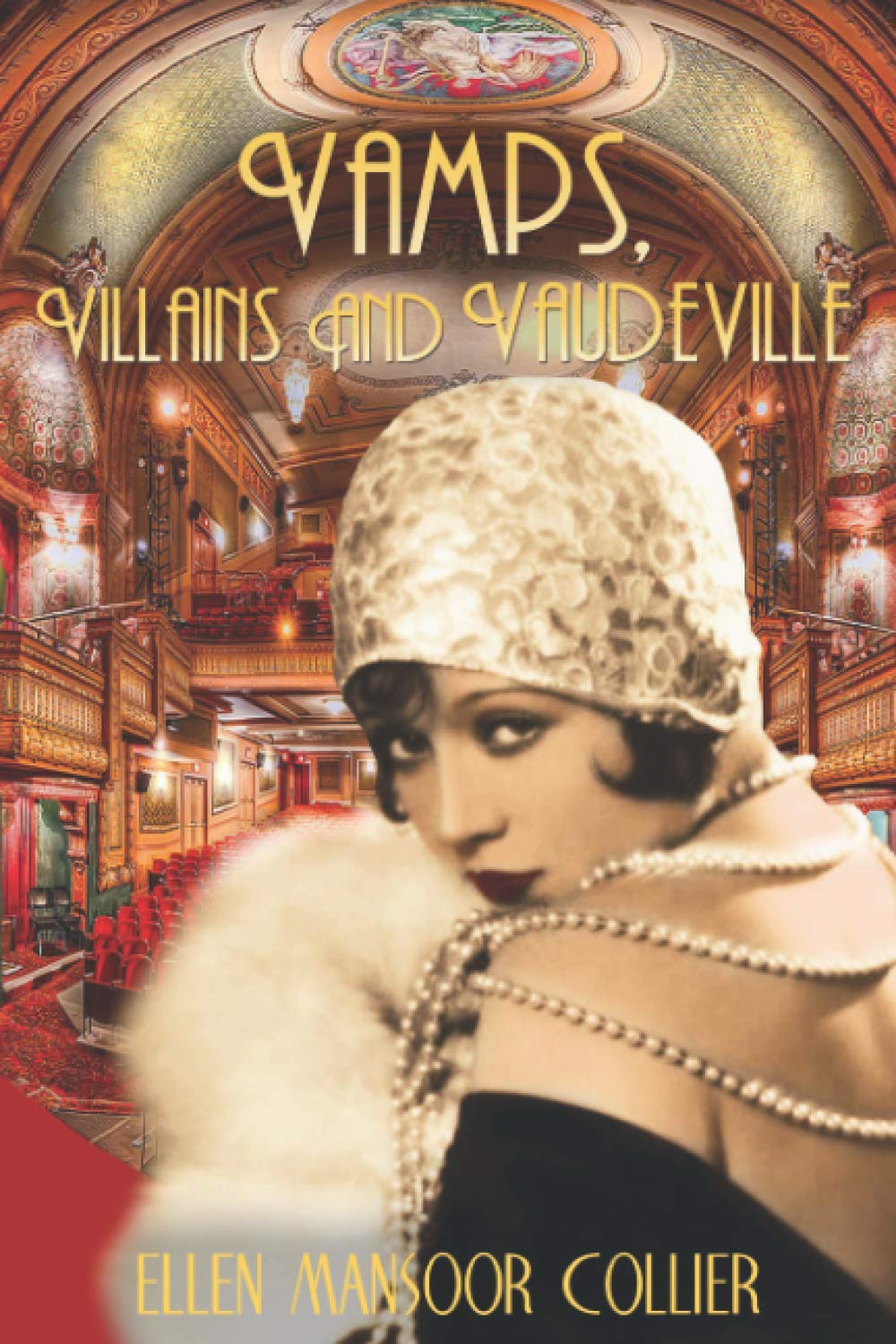



America's Got Talent meets Lois Lane in this soft-boiled flapper caper. Young and ambitious society reporter Jazz Cross is in for a surprise when she attends a travelling vaudeville show with her beau, Prohibition Agent James Burton, and discovers that an old flame acts in the production. When an actor in the troupe disappears and later turns up dead behind her half-brother Sammy’s bar, he falls under suspicion and Jazz must prove his innocence. Meanwhile jewel thieves are turning up all over town, stealing precious jewelry from the society set, baffling local police. Is the mob involved? After a rival actor is found strangled, cops blame her ex, Derek. While trying to clear his name—to Burton’s dismay—Jazz discovers the secrets behind the scenes. Worse, Sammy’s old nemesis wants payback and forces him into yet another illegal scheme. Can Jazz help solve the murders and locate the missing gems—so Sammy can escape the Downtown Gang for good? This particular era in American history, although quite brutal, lends itself beautifully to the cozy mystery genre with its fierce heroines and brave and brash heroes. Ms. Collier's exquisite attention to details such as speech and clothing, just added to the enjoyment of a well- written story. I also adored how the seemingly straightforward story line was anything but simple. Jazz, in trying to help, makes things worse and then when that seems like it will be too much to overcome, the story twists again. All in all it was an enjoyable single sitting read, with a cast of characters I would like to spend more time with. --Michelle Perry Jasmine Cross is back in all her feisty independence in this fourth book in the Jazz Age mystery series. Once again, Ellen Mansoor Collier does a great job of putting us in the Roaring 20's, where we experience Vaudeville, Prohibition, fashion, and Galveston. Jazz is such a fun character, and this time an old beau is in the picture. Her natural curiosity has her snooping around more murders, trying to uncover the truth and clear her friends and family from any wrongdoing. If you're ever accused of murder, you want Jazz on your side! You'll find mystery, intrigue, and a lot of fun in this book. Even though you could read this book as a standalone, I recommend reading this series in order. --Amy Metz, Author of the Goose Pimple Junction mystery series While visiting Chicago, we took a "Mobsters" tour of Al Capone's old haunts and famous hotspots, including the site of the Valentine's Day Massacre and the Green Mill bar. Back in Galveston, we ate at an old speakeasy-turned-bar/diner where we heard tales of local legends and real-life rival gangs, the Beach and Downtown Gangs, who were involved in bootlegging, gambling and prostitution. Even Frank Nitti, Capone's enforcer and right-hand man tried to muscle in on Galveston's vice, but was thrown out of town and never returned. During Prohibition, Sam and Rose Maceo helped restore Galveston's prosperity and brought tourism and trade to the Island. In 1926, Beach Gang leaders Ollie Quinn and the Maceos opened the ritzy "Hollywood Dinner Club," a renowned speakeasy and casino that attracted celebrities and acts from all over the U.S. Considered "gentlemen gangsters" by the locals, the Maceo brothers eventually took over both gangs and ruled Galveston for roughly 25 years, befriending celebrities and politicians alike. Their legend lives on in Galveston almost 100 years later. Though my main characters and plot lines are fictitious, my series attempts to capture the exciting yet dangerous times of the Jazz Age in 1920s Galveston. Ellen Mansoor Collier is a Houston-based freelance writer and editor whose articles, essays and short stories have been published in a variety of national magazines. Formerly she's worked as a magazine editor and writer, a substitute teacher and in advertising/marketing and public relations. A flapper at heart, she's the owner of MODERNEMILLIE on Etsy, specializing in Deco to retro vintage items. She graduated from the University of Texas at Austin with a degree in Magazine Journalism, and lived in a c. 1926 dorm her freshman year. She worked as an editor on UTmost magazine and was active in Women in Communications (W.I.C.I.), serving as President her senior year.