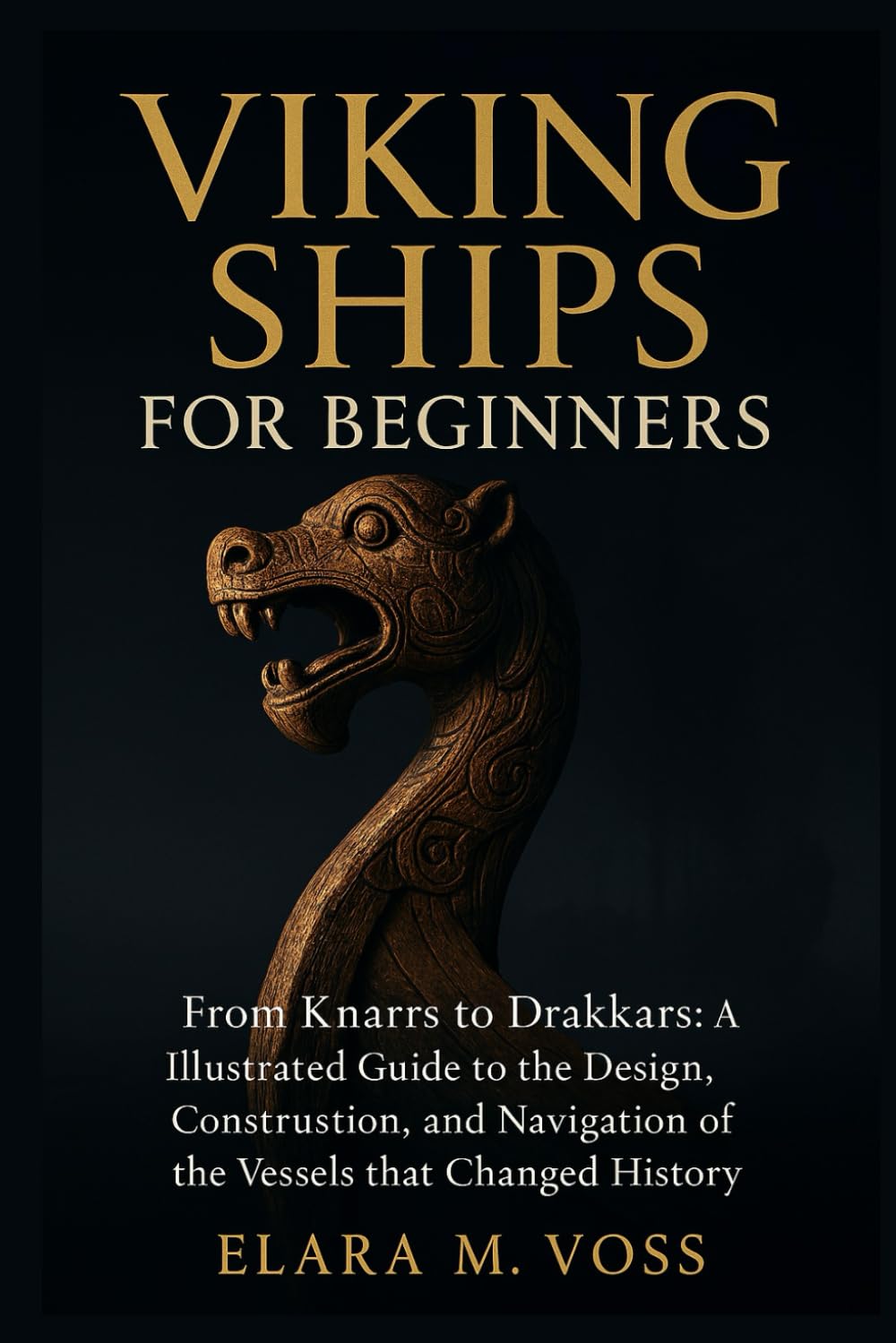
Viking Ships for Beginners: From Knarrs to Drakkars: An Illustrated Guide to the Design, Construction, and Navigation of the Vessels that Changed
$15.99
by Elara M. Voss



Viking Ships for Beginners: What the Sagas Never Told You About the Vessels That Changed the World You have seen the dragon heads. You have heard the raid stories. But do you truly understand what made these ships—and the people who built them—extraordinary? You know the feeling. You stand before a museum display, or watch a documentary, and sense there is more beneath the surface. More than dates. More than names. More than the simple story of "Vikings came, Vikings conquered." You want to understand the how. The why. The hands that shaped the oak and the minds that read the waves. The problem is that most history books treat the ships as props—background scenery for the "real" story of battles and kings. They describe the longships, sure. But they rarely explain how a people with no written engineering manuals built vessels that still baffle modern naval architects. They mention the voyages, but skip the navigation. They admire the carvings, but ignore the construction. This guide takes the opposite approach. Written by naval historian Elara M. Voss, it places the ships themselves at the center—not as museum pieces, but as living technology. As solutions to problems that had killed sailors for centuries. As the reason the Viking Age happened at all. Inside, you will discover: • The tree that built an empire: Why oak was not just material, but a partner—and how shipwrights "read" a tree before cutting it down. • The tools that shaped the world: How axes, adzes, and wedges did the work of modern machinery—with greater respect for the wood. • The hull that breathed: Why clinker construction let ships flex with waves instead of fighting them—and why that matters for survival. • The sail that took a village: How wool, spun with precise twist directions, became the most advanced propulsion system of its age. • The difference between terror and work: Why the longship (drakkar) raided while the knarr settled—and why both were essential. • Navigation without instruments: How sunstones, birds, and wave patterns guided sailors across open ocean long before compasses. • The voyages that rewrote maps: From accidental discovery of Iceland to Leif Eriksson's landing in North America—five centuries before Columbus. Included in this volume—The Viking Ship Primer: An illustrated glossary of 20 key terms, a visual timeline of maritime expansion, and a curated guide to museums and documentaries for those who want to see these vessels in person. Whether you build models, trace naval technology, or simply want to understand what made these ships work, this guide offers something rare: clarity without condescension, depth without density. The kind of book that leaves you looking at museum displays differently—seeing not just wood, but wisdom. Scroll up and click "Buy Now" to step aboard—and discover the vessels that changed the world.