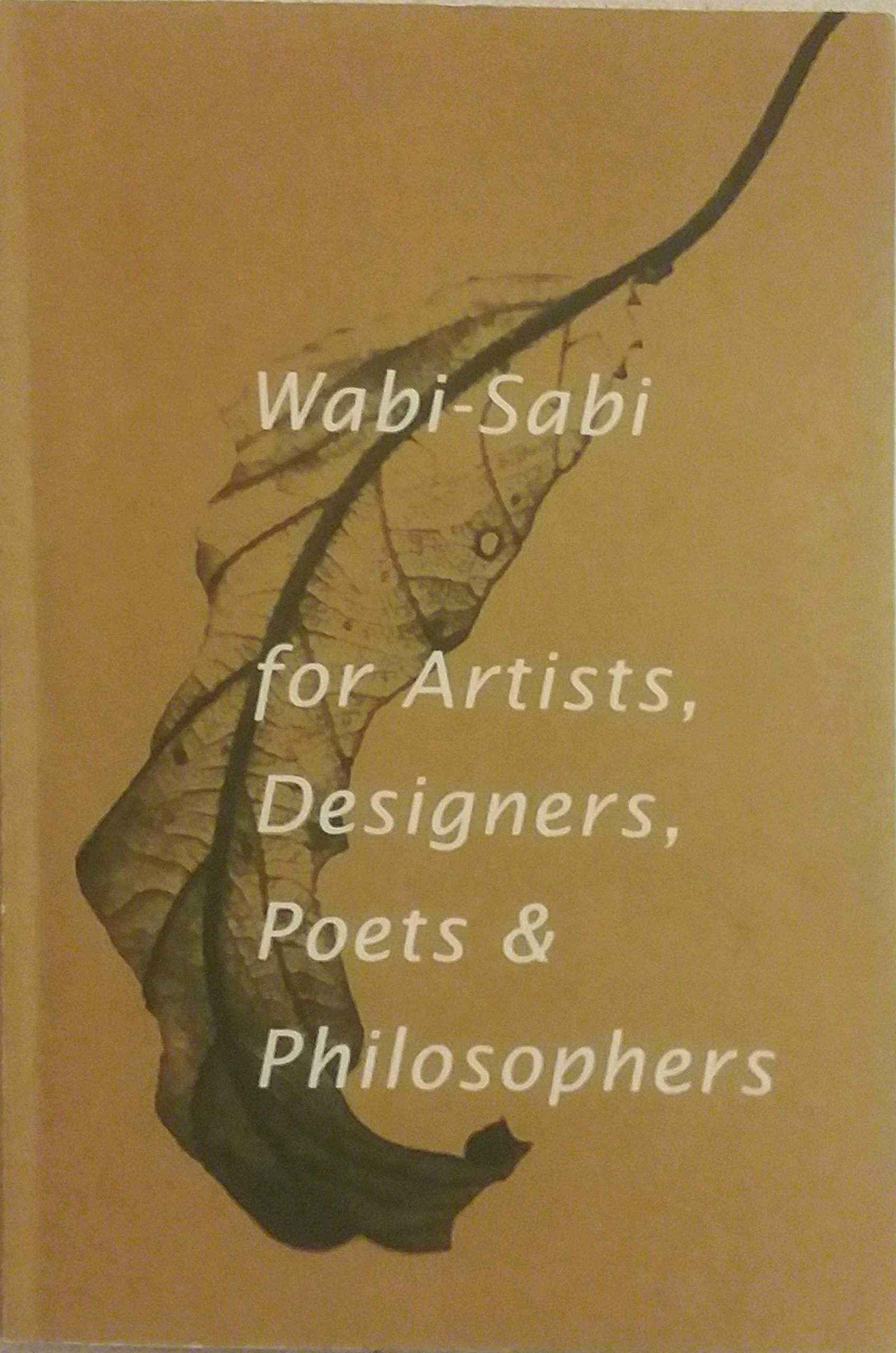



From the Introduction Wabi-sabi is a beauty of things imperfect, impermanent, and incomplete. It is a beauty of things modest and humble. It is a beauty of things unconventional. The immediate catalyst for this book was a widely publicized tea event in Japan. The Japanese aesthetic of wabi-sabi has long been associated with the tea ceremony, and this event promised to be a profound wabi-sabi experience. Hiroshi Teshigahara, the hereditary iemoto (grand master) of the Sogetsu school of flower arranging, had commissioned three of Japan's most famous and fashionable architects to design and build their conceptions of ceremonial tea-drinking environments. Teshigahara in addition would provide a fourth design. After a three-plus-hour train and bus ride from my office in Tokyo, I arrived at the event site, the grounds of an old imperial summer residence. To my dismay I found a celebration of gorgeousness, grandeur, and elegant play, but hardly a trace of wabi-sabi. One slick tea hut, ostensibly made of paper, looked and smelled like a big white plastic umbrella. Adjacent was a structure made of glass, steel, and wood that had all the intimacy of a highrise office building. The one tea house that approached the wabi-sabi qualities I had anticipated, upon closer inspection, was fussed up with gratuitous post- modern appendages. It suddenly dawned on me that wabi-sabi, once the preeminent high-culture Japanese aesthetic and the acknowledged centerpiece of tea, was becoming-had become?-an endangered species. Admittedly, the beauty of wabi-sabi is not to everyone's liking. But I believe it is in everyone's interest to prevent wabi-sabi from disappearing altogether. Diversity of the cultural ecology is a desirable state of affairs, especially in opposition to the accelerating trend toward the uniform digitalization of all sensory experience, wherein an electronic "reader" stands between experience and observation, and all manifestation is encoded identically. In Japan, however, unlike Europe and to a lesser extent America, precious little material culture has been saved. So in Japan, saving a universe of beauty from extinction means, at this late date, not merely preserving particul "Perfectly conveys the Zen simplicity and stillness." -NAPRA Review -- NAPRA Review "Perfectly conveys the Zen simplicity and stillness." -NAPRA Review -- Review See also Wabi-Sabi: Further Thoughts . Leonard Koren, who was trained as an artist and architect, is a design and aesthetics theorist. Among his most popular books are WABI SABI: For Artists, Design, Poets & Philosophers and Arranging Things: A Rhetoric of Object Placement. Wabi-sabi is the most conspicuous and characteristic feature of what we think of as traditional Japanese beauty. It occupies roughly the same position in the Japanese pantheon of aesthetic values as do the Greek ideals of beauty and perfection in the West. Wabi-sabi can in its fullest expression be a way of life. At the very least, it is a particular type of beauty. The closest English word to wabi-sabi is probably "rustic." Webster's defines "rustic" as "simple, artless, or unsophisticated . . . [with] surfaces rough or irregular." While "rustic" represents only a limited dimension of the wabi-sabi aesthetic, it is the initial impression many people have when they first see a wabi-sabi expression . . . Originally, the Japanese words "wabi" and "sabi" had quite different meanings. "Sabi" originally meant "chill," "lean," or "withered." "Wabi" originally meant the misery of living alone in nature, away from society, and suggested a discouraged, dispirited, cheerless emotional state. Around the 14th century, the meanings of both words began to evolve in the direction of more positive aesthetic values. The self-imposed isolation and voluntary poverty of the hermit and ascetic came to be considered opportunities for spiritual richness. For the poetically inclined, this kind of life fostered an appreciation of the minor details of everyday life and insights into the beauty of inconspicuous and overlooked aspects of nature. In turn, unprepossessing simplicity took on new meaning as the basis for a new, pure beauty. Used Book in Good Condition