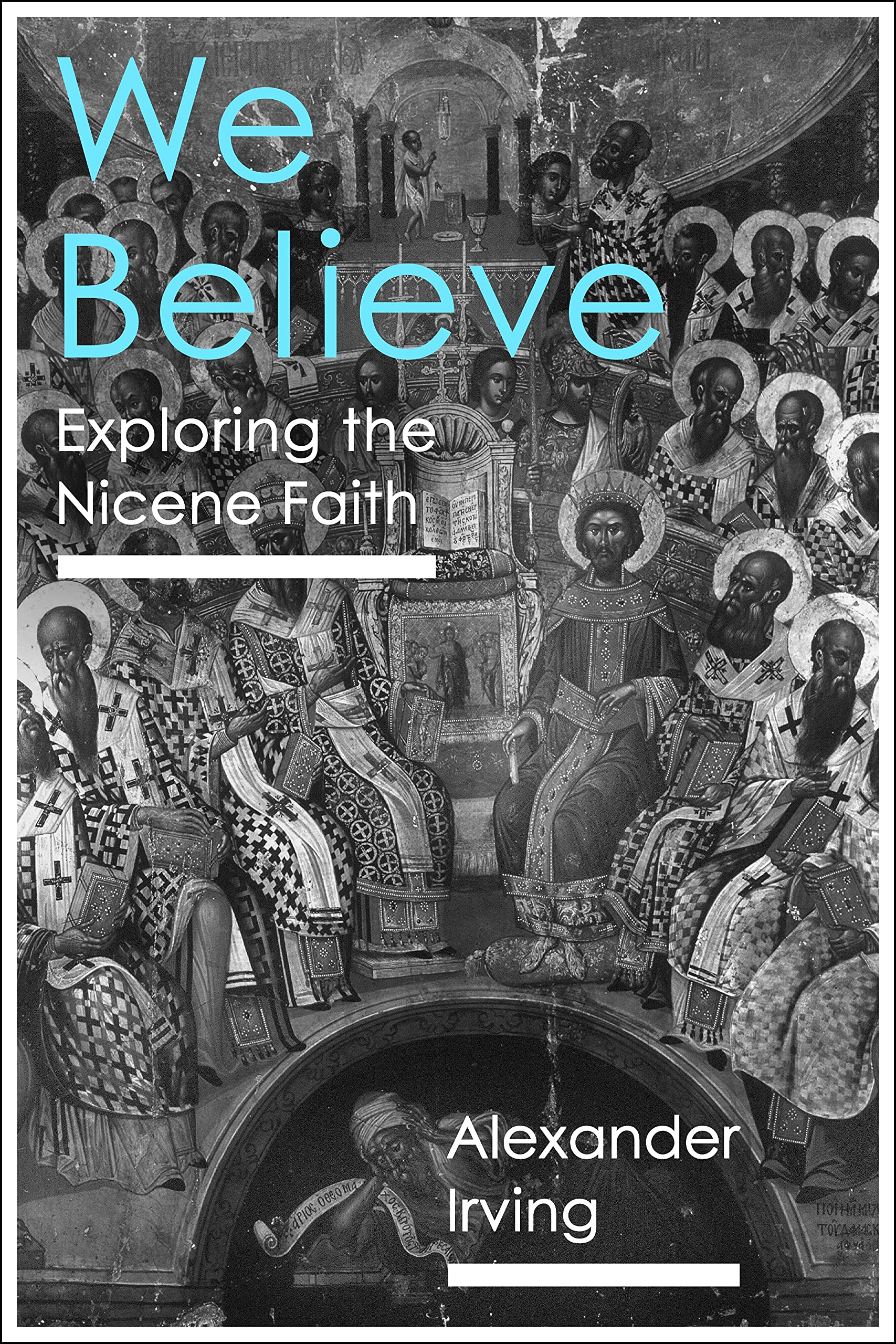



The Nicene-Constantinopolitan Creed of ad 381 was a key statement in the context of the theological controversies and confessional atmosphere of the fourth-century church. Alexander Irving explores Christian belief about God, creation and redemption, as it is expressed in the Creed. He thereby contributes to the continuing task of the church's self-examination of its talk about God. Irving shows the importance of tradition and the intrinsic relationship between thought in the church today and thought in the church across time. He sets the Creed in its historical and theological contexts, and connects its theology to some areas of contemporary theological inquiry. The Creed sets out the basic parameters of Christian belief. While the specifics of what is believed within those parameters are not determined, there is an internal logic to the Creed's presentation of the Christian faith. The contrast between God's internal and external relations is the theological motif that gives particular shape to the Creed, which expresses an expansive vision of the generosity of God, with his relation to creation grounded in his being as love. Alex Irving is very well versed in ... the ancient and modern discussions and is in a marvellous position to explain both of them to interested readers. His work shows the way to a sophisticated and genuine appropriation of Nicene theology in the church today, an appropriation in which God's inner relations as Father, Son and Spirit hold pride of place and govern the way we understand the creation and redemption of humanity. If you are brave enough to dive into the deep waters of trinitarian theology, this book is just what you need. An enlightening and comprehensive examination of the importance of the creed in the living faith of the church, the theological disputes that lead from Nicaea to Constantinople, and the abiding significance of their creeds. An important read for anyone who wants to take their faith seriously. The fourth century was a crucial time for the development of the mature doctrine of the Trinity and that development is a classic example of the way that doctrines develop. Alex Irving is to be congratulated for giving us an up to date, reliable and readable (so far as the material allows!) account of this hugely important phase in the history of theology. Thoroughly recommended. An exploration of the theology of the Nicene-Constantinopolitan Creed Church of England priest, Lecturer and Tutor in Theology at St Mellitus College (East Midlands). He is author of T. F. Torrance's Reconstruction of Natural Theology: Christ and Cognition (Lexington) and God, Freedom and the Body of Christ: Toward a Theology of the Church (Cascade), and editor of The Doctrine of the Incarnation Opened by Edward Irving: Abridged with Introduction (Pickwick, forthcoming).