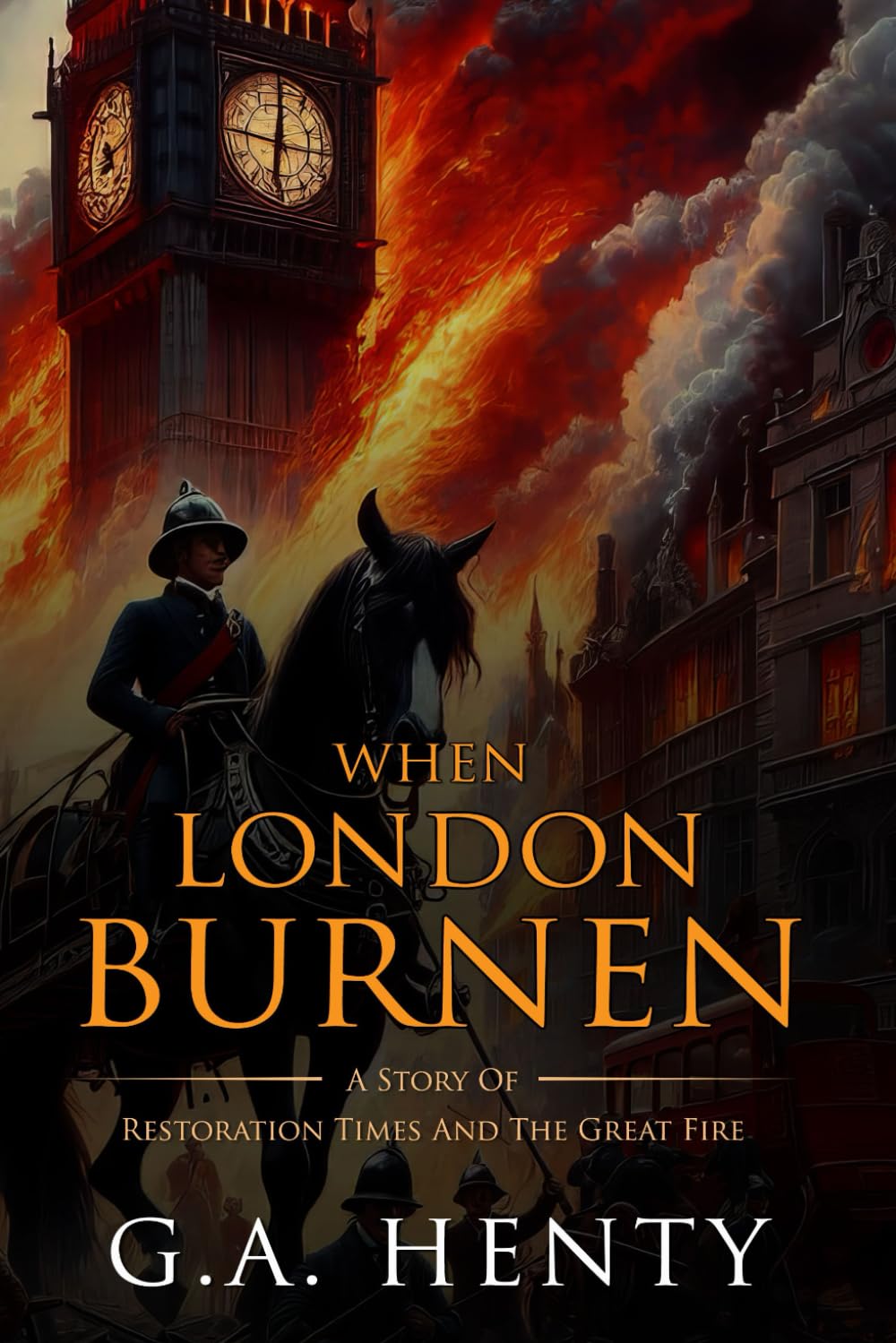
When London Burned: A Story Of Restoration Times And The Great Fire : Complete with Classic illustrations and Annotation
$11.99
by G.A. Henty



"When London Burned" by historian Sarah Thompson offers a captivating and detailed narrative of one of the most significant events in London's history - the Great Fire of 1666. Thompson's meticulous research and vivid storytelling skillfully reconstruct the events leading up to, during, and following the catastrophic fire, providing readers with a comprehensive understanding of its causes, impacts, and aftermath. The book begins by setting the stage, painting a vivid picture of seventeenth-century London - a bustling metropolis characterized by overcrowded streets, wooden buildings, and a labyrinth of narrow alleyways. Thompson expertly captures the social, political, and economic landscape of the time, highlighting the tensions brewing within the city and the challenges faced by its residents. As the narrative unfolds, Thompson delves into the events that sparked the fire, meticulously examining the various theories and speculations surrounding its origin. From the infamous bakery of Thomas Farriner to the prevailing weather conditions, Thompson leaves no stone unturned in her quest to uncover the truth behind the fire's ignition. The book's real strength lies in its portrayal of the fire itself. Through vivid descriptions and eyewitness accounts, Thompson brings the chaos and devastation of the inferno to life, vividly depicting the relentless advance of the flames and the desperate efforts of Londoners to save their homes and livelihoods. From the frantic evacuation of the city to the heroic actions of firefighters and volunteers, Thompson captures the full scale of the disaster with gripping intensity. However, Thompson does not merely focus on the destruction wrought by the fire; she also explores its broader impact on London and its inhabitants. From the displacement of thousands of residents to the economic upheaval that followed, Thompson offers a nuanced analysis of the fire's lasting consequences, shedding light on its role in shaping the future of the city. Throughout the book, Thompson's prose is engaging and accessible, making even the most complex historical details easy to digest. Her narrative is supplemented by a wealth of primary sources, including diaries, letters, and official documents, which add depth and authenticity to the story. In conclusion, "When London Burned" is a masterful work of historical scholarship that offers a comprehensive and compelling account of the Great Fire of 1666. Sarah Thompson's meticulous research, vivid storytelling, and nuanced analysis make this book essential reading for anyone interested in the history of London or the broader implications of urban disasters. Whether you're a seasoned historian or a casual reader, "When London Burned" is sure to captivate and enlighten you from start to finish.