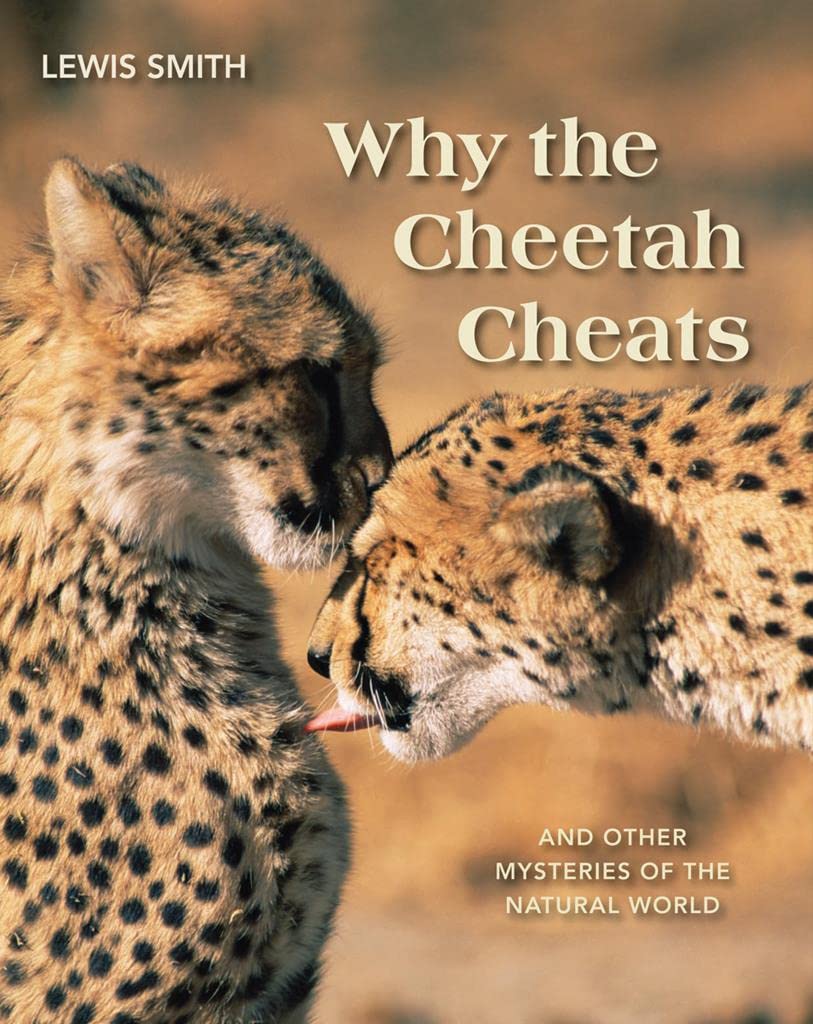



Remarkable discoveries from recent research on wild animals. This book's title refers to new research revealing that almost every cheetah litter has two or more fathers. This phenomenon has two major benefits: the cubs are more genetically diverse, and the chances of the young being killed by an adult male are reduced. This is just one example of the many exciting developments in our understanding of animal behavior. Other interesting facts include: Recent findings about the behavior of ancient species, such as the head-butting dinosaur - How scientists are training animals to help in research, such as bee-tracking dogs - The discovery of a new species of pygmy shrew, which is the largest ever known. The book also examines current threats to wildlife, how wildlife helps itself and how humans can help them recover. There is also important data on invasive species and their effect on the environment to which they have been introduced, whether accidentally or on purpose. These include such common species as the American bullfrog, the crayfish and the gray squirrel. Why the Cheetah Cheats is filled with surprising facts and compelling stories that reveal long-kept secrets of the animal world. Some of these are mind-boggling, many are unsuspected and all are fascinating and lead to a better understanding of the world we live in. In 100 brief and lively dispatches accompanied by striking photographs, science journalist Smith captures telling moments on the nature research beat. He begins with reports on invasive species that read like warped fairy tales on the theme of unintended consequences. When humans bring cats to Macquarie Island, they very nearly devour entire bird species, so the cats are killed, but then the rabbits multiply unchecked and eat all the vegetation. Smith showcases less harrowing studies of animal adaptation, including that of the fence lizard that grew longer legs and learned to twitch to fend off invasive red ants. Scientists have also found species thought extinct to be thriving; species new to humankind, among them a bright pink, poisonous millipede; and new evidence of long-vanished creatures, including an eight-foot-long sea scorpion. Whether the subject is dire (bats, trees, and corals are dying due to global warming) or fascinating (why female cheetahs are intrepidly promiscuous), Smith writes with equanimity, making for an intriguing, instructive, and up-to-date book of discoveries. --Donna Seaman In 100 brief and lively dispatches accompanied by striking photographs, science journalist Smith captures telling moments on the nature research beat.... Whether the subject is dire (bats, trees, and coral are dying due to global warming) or fascinating (why female cheetahs are intrepidly promiscuous), Smith writes with equanimity, making for an intriguing, instructive, and up-to-date book of discoveries. (Donna Seaman Booklist 2009-12-01) Lewis Smith is a reporter on environment and science for the Times of London . Excerpt In Why the Cheetah Cheats , you'll find answers to the following questions: Why do female cheetahs risk their lives for an opportunity to cheat on their partners? - Why did house mice on the isolated Gough Island turn into rapacious bird killers? - What led researchers to believe that the saber-toothed tiger roamed "in formidable gangs" rather than as a lone hunter? - Are the recently discovered fossilized remains of a seal-like creature the missing link? - How did the population of the now-extinct Northern white rhinoceros diminish to just four individuals and why did they die? - What happened in 2008 to give conservationists a rare moment of celebration? - How can a butterfly species and an ant species, more likely enemies than allies, work together to ensure each other's survival? - Can a rare and endangered species adapt to a changing habitat, even a damaged one? - Which species of plant was brought back from the dead after a 2,000-year-old seed was dug up and germinated? - How did wild dolphins learn trick behavior seen only in their captive relatives? - What led dung beetles to abandon a peaceful life of grazing to preying on butcher millipedes laced with toxins? - How did researchers learn that honeybees have a talent for interspecies language and are also formidable dancers? - Will the Emperor penguin, beloved star of two Oscar-winning films, survive? Used Book in Good Condition