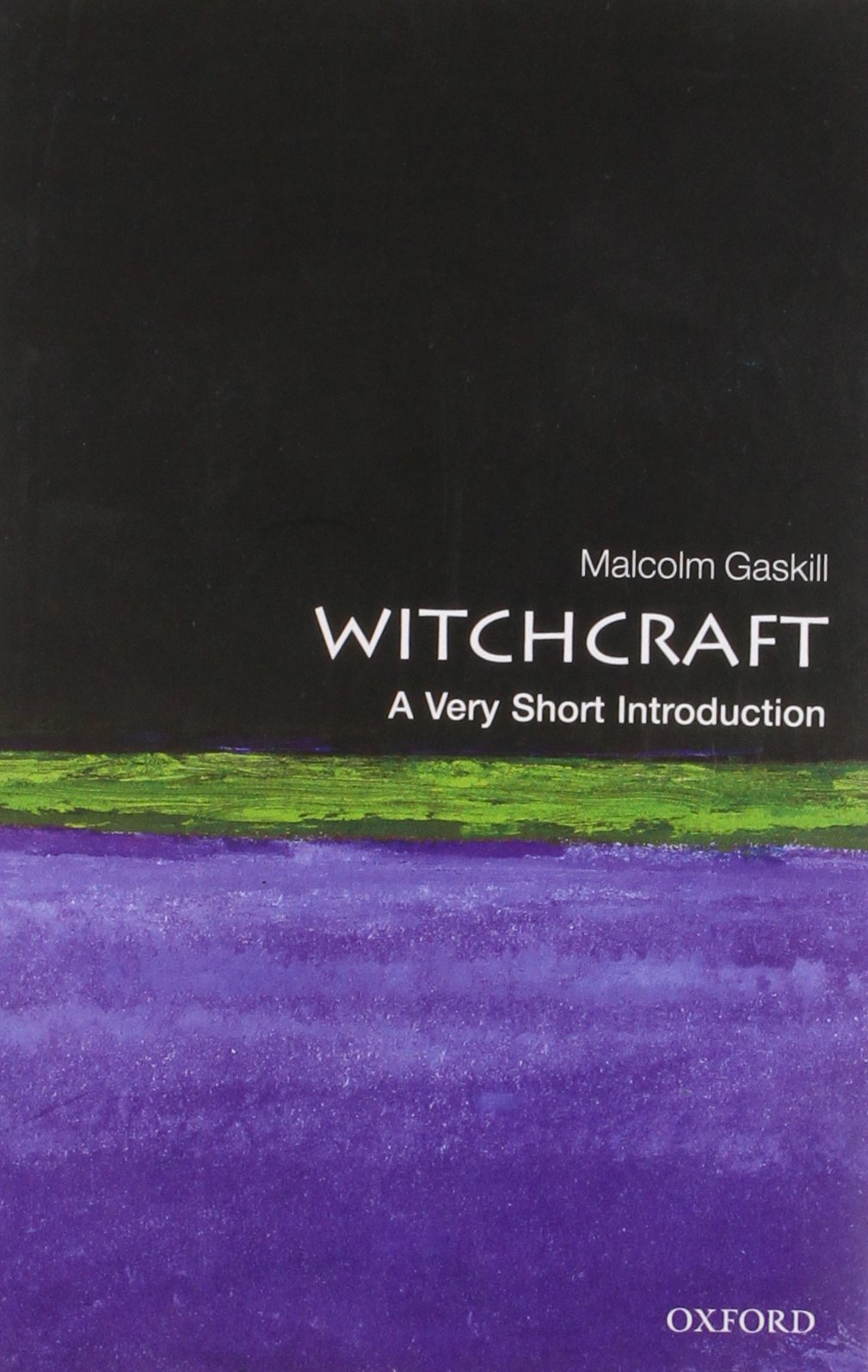



Witchcraft is a subject that fascinates us all. Indeed, from childhood most of us develop some mental image of a witch--usually an old woman, mysterious and malignant. But why do witches still feature so heavily in our cultures and consciousness? From Halloween superstitions to literary references such as Faust and, of course, Harry Potter, witches seem ever-present in our lives. In this Very Short Introduction , Malcolm Gaskill takes a long historical perspective, from the ancient world to contemporary paganism. This is a book about the strangeness of the past, and about contrasts and change; but it's also about affinity and continuity. He reveals that witchcraft is multi-faceted, that it has always meant different things to different people, and that in every age it has raised questions about the distinction between fantasy and reality, faith and proof. Delving into court records, telling anecdotes, and challenging myths, Gaskill re-examines received wisdom, especially concerning the European witch-hunts of the sixteenth and seventeenth centuries. He also explores the modern memory and reinvention of witchcraft--as history, religion, fiction, and metaphor. Witchcraft : Questions for Consideration and Discussion How have the stereotypes, images, and cultural associations of witchcraft changed between the classical age and the present day? Why throughout history have witches been so strongly associated with women? What are the major historical myths about witches, especially during the witch craze, and why are they so hard to dispel with hard fact? How can we explain the massive surge of witchcraft trials in the sixteenth and seventeenth centuries? What emotion is involved in witchcraft accusations, and is it helpful to think in terms of "hysteria"--for example in relation to the Salem trials of 1692? Why does the fascination with witches endure in popular culture, in everything from novels and films to cartoons and games? "...this is an excellent introduction to the topic of witchcraft. It is readable, assured, and encyclopedic in its knowledge and research." -Marion Gibson, Magic, Ritual, and Witchcraft Take a long historical perspective, from the ancient world to contemporary paganism, and explore the modern memory and reinvention of witchcraft--as history, religion, fiction, and metaphor. Malcolm Gaskill is Reader in Early Modern History at the University of East Anglia.