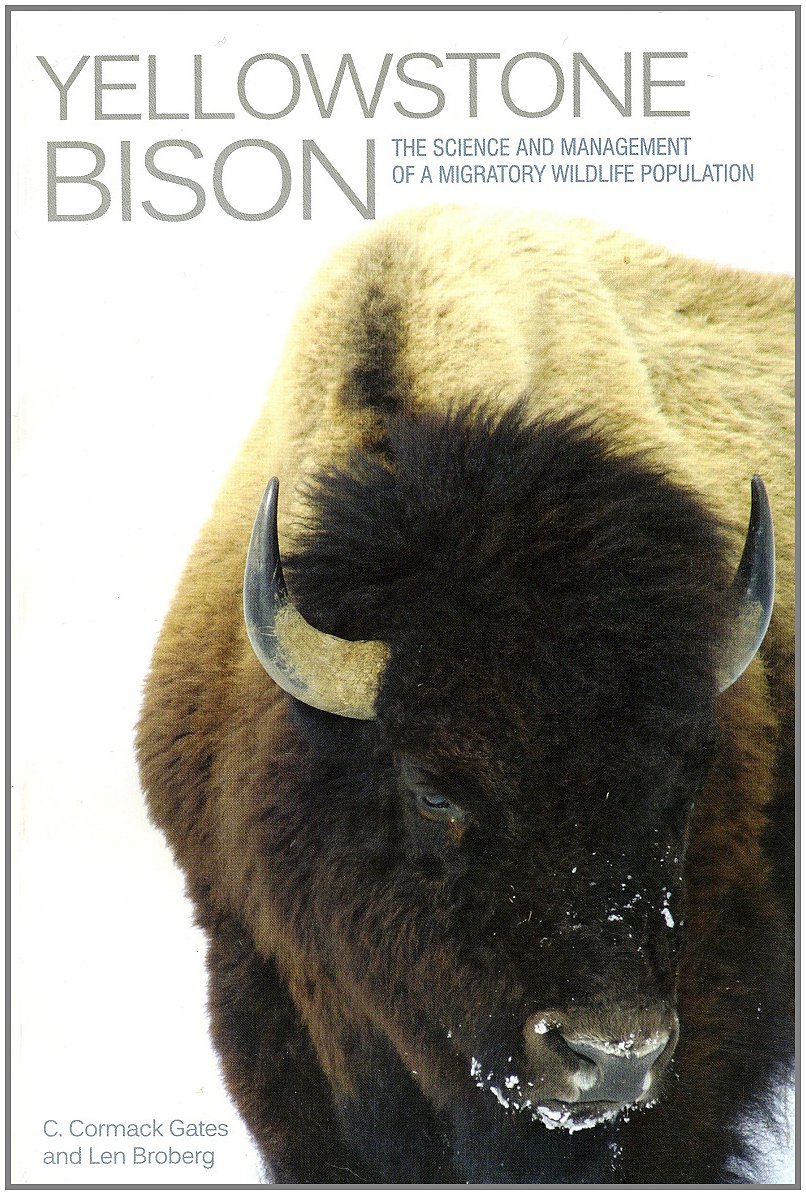
Yellowstone Bison: The Science and Management of a Migratory Wildlife Population
$14.95
by C. Cormack Gates



The bison is an icon of the Western range and a symbol of the challenge of large migratory herbivore management in a partially settled landscape. Yellowstone National Park is one of the few remaining wild bison strongholds in North America, but the management of this population has increasingly been the subject of controversy. In a national park spanning three states and adjoined by federal and private lands, the history of this migratory wildlife population presents a compelling tale of transboundary management. This book reviews the ecology of the species, documents Yellowstone bison management history, illustrate the use of a systems-modeling approach to issue resolution, and offers insights into the challenges of management in a dynamic administrative context. The bison is an icon of the Western range and a symbol of the challenge of large migratory herbivore management in a partially settled landscape. Yellowstone National Park is one of the few remaining wild bison strongholds in North America, but the management of this population has increasingly been the subject of controversy. In a national park spanning three states and adjoined by federal and private lands, the history of this migratory wildlife population presents a compelling tale of transboundary management. This book reviews the ecology of the species, documents Yellowstone bison management history, illustrate the use of a systems-modeling approach to issue resolution, and offers insights into the challenges of management in a dynamic administrative context. The work that led to this book was a review of the status of Yellowstone National Park bison ecology and movements commissioned by the National Park Service. Cormack Gates and Brad Stelfox were selected to lead the study for their expertise in bison ecology and modeling.