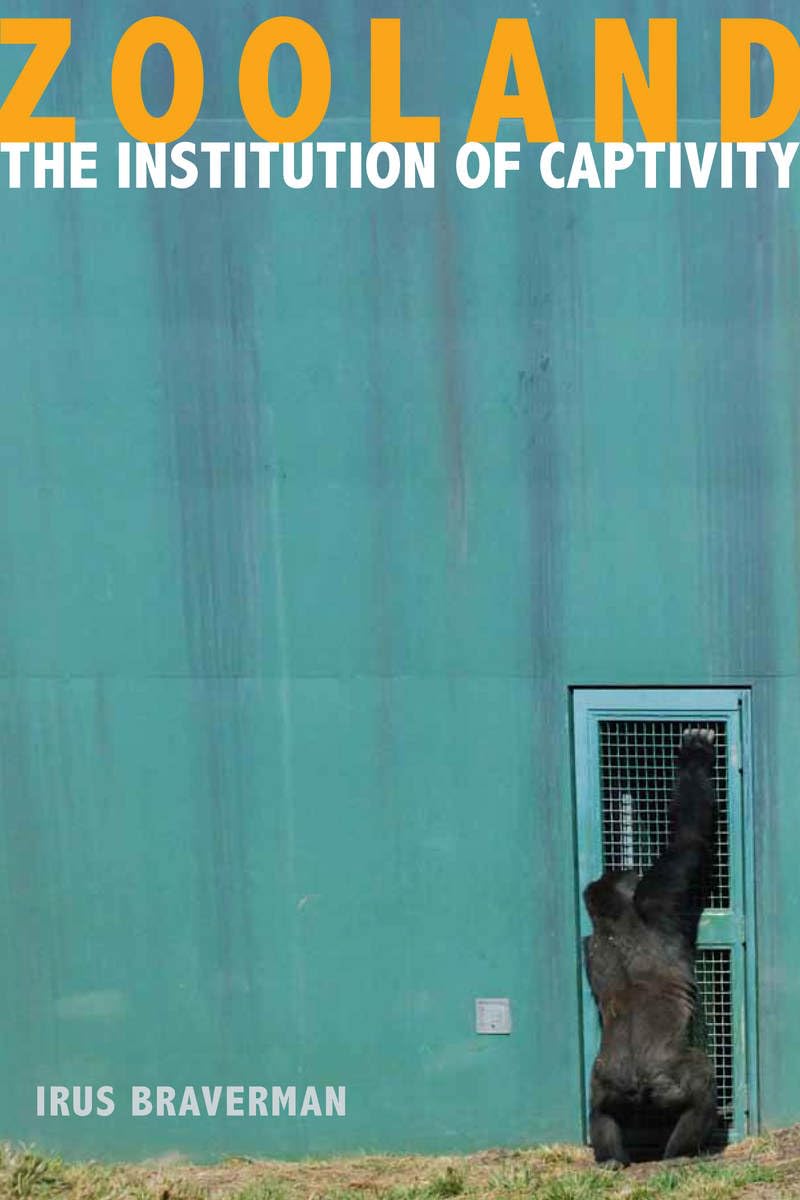



This book takes a unique stance on a controversial topic: zoos. Zoos have their ardent supporters and their vocal detractors. And while we all have opinions on what zoos do, few people consider how they do it. Irus Braverman draws on more than seventy interviews conducted with zoo managers and administrators, as well as animal activists, to offer a glimpse into the otherwise unknown complexities of zooland. Zooland begins and ends with the story of Timmy, the oldest male gorilla in North America, to illustrate the dramatic transformations of zoos since the 1970s. Over these decades, modern zoos have transformed themselves from places created largely for entertainment to globally connected institutions that emphasize care through conservation and education. Zoos naturalize their spaces, classify their animals, and produce spectacular experiences for their human visitors. Zoos name, register, track, and allocate their animals in global databases. Zoos both abide by and create laws and industry standards that govern their captive animals. Finally, zoos intensely govern the reproduction of captive animals, carefully calculating the life and death of these animals, deciding which of them will be sustained and which will expire. Zooland takes readers behind the exhibits into the world of zoo animals and their caretakers. And in so doing, it turns its gaze back on us to make surprising interconnections between our understandings of the human and the nonhuman. Braverman, a law and geography professor, neither supports nor condemns zoos. Rather, she provides a detailed examination of how zoos work. Basing her discussion on French philosopher Michel Foucault’s concept of pastoral power (i.e, the shepherd’s power of care for his sheep), she focuses on the management of zoo animals through care. Beginning with the design of zoo exhibits and the continued emphasis on naturalistic enclosures that immerse the viewer in the animals’ world, Braverman moves on to the various ways zoo animals are classified (endangered, in a breeding program, etc.) and how zoo animals are seen and perceived by their visitors. The naming of zoo animals involves both the politics of giving names to individual animals and codification, as each animal is assigned a number. The author’s accounts of record keeping, a fairly new practice, and the laws regulating the keeping of zoo animals as well as the complexity of deciding which animals will be allowed to reproduce will be eye opening for most readers. --Nancy Bent "Braverman's Zooland engages with the new zoos of the 21st century. It is an innovative book, adding a new chapter to understanding how zoos evolve . . . Drawing upon Foucault, Braverman's ethnography of North American zoos presents an innovative, bold, and in-depth study of how zoos are conceived, managed, organized, spatialized, recorded, managed, and governed." -- Eve Darien-Smith ― Political & Legal Anthropology Review (PoLAR) " Zooland: The Institution of Captivity views the history of American zoos through a different lens, relating the history of animal regulation and government to Michel Foucault's discussion of panopticon and pastoral power . . . Braverman's treatment of the history and the practice of modern zoos is comprehensive in both its research and presentation . . . [W]ith this Foucaultian approach it is certainly appropriate to apply the ideas of both the panopticon and pastoral power to the care of captive animals. This book provides a detailed perspective on the pertinent issues facing the modern zoological park." -- Tanya Mueller ― Journal of Anthropological Research "This book is a timely addition to the growing literature on zoos and human-animal relations . . . [T]here is much [in this book] to interest anthropologists . . . [I]t is a study that deserves to be taken seriously . . . [T]his book may garner as much interest from anthropologists and scholars of governance and institutional life and from those interested in regimes of value and property. It is also, I believe, a text that will help engage students in the kinds of anthropological questions these areas of inquiry aim to provoke." -- Adam Reed ― Journal of the Royal Anthropological Institute "Irus Braverman's recent book Zooland is a wonderful read on a topic that is of both historical and current interest―zoos . . . Braverman does an admirable job of walking the line between zoo advocacy and condemnation and tracing an important historical and cultural shift in the self-understandings of those involved in the increasingly bureaucratized and professionalized institutional care and control of zoo animals. One gets a sense from the book and the voices of her interview subjects that zoo professionals really do care about these animals . . . The book puts forward their perspective fairly and with a great deal of compassion. On the other hand, it is steadfast in highlighting the contradictions and problems with zoo messaging that many