What is Carbon Monoxide Detector 101 & Why is it Important?


Imagine a gas that no one can see, no one can smell, and no one can taste. It moves quietly through a home, and most people would never notice it. That gas is carbon monoxide. And the only way to know it is there is with a carbon monoxide detector.
In the first few minutes, let’s keep it clear. Knowing how CO detectors work and following the right CO detector placement rules can save lives. A home without a detector is like leaving the doors open for an invisible danger. And when we talk about home safety, this small device should always come first.
Why Every Home Needs a Carbon Monoxide Detector
Every home that uses gas stoves, fireplaces, or heating systems faces a risk. Even a running car in an attached garage can create trouble. Without a carbon monoxide detector, families may not even know danger is near.
This gas has no color and no smell because of which people cannot sense it. Thus, detectors are extremely important for security. They listen for what humans cannot and when carbon monoxide rises, the alarm speaks up, loud enough for everyone to hear.
The truth is detectors are not expensive, they are simple to use, and they need very little care. This is why safety experts say every home must have them and it is not just advice, but a lifesaving rule.
Understanding How CO Detectors Work
So, how do CO detectors work? Inside each device is a sensor that checks the air around it. When carbon monoxide levels rise beyond what is safe, the detector sounds an alarm. It is loud and clear, made to wake people even from sleep.
Some detectors use chemical sensors, while others use electronic ones. But no matter the type, the goal is the same that is the alarm must give enough warning so that people can leave the house before the gas harms them.
Why CO Detectors are Important?
To understand how CO detectors work is to realize just how much they matter. They detect what no human sense can detect. They buy time—time to leave, time to breathe fresh air, and time to stay safe.
This is the reason these tools are often referred as lifesaving devices. A small box on a wall or ceiling can be the most important safety item inside a home.
Best Practices for CO Detector Placement
Here’s a 200-word version of the subhead Best Practices for CO Detector Placement written in simple points, easy to follow, and human-like:
Every Level of the Home
Install at least one detector on each floor, including the basement as this ensures full coverage.
Near Sleeping Areas
Place detectors in hallways close to bedrooms to make sure you are able hear the alarms even when you are sleeping.
Living Rooms and Common Areas
Detectors should also be in places where people spend most of their time.
Close to Appliances
Install near furnaces, fireplaces, or gas stoves as this helps you to catch the leaks early.
Avoid Bathrooms
Do not install in bathrooms, as steam can cause false alarms.
Stay Away from Vents
Avoid placing detectors near windows, fans, or air ducts where airflow may block detection.
Proper Height
Wall-mounted detectors should be placed at least five feet above the ground. Ceiling-mounted ones should be in the center and never in the corner of the rooms.
Hallways and Staircases
These areas allow early detection as air circulates through them.
Garage Safety
If a garage is attached, place a detector nearby since cars produce carbon monoxide.
Correct CO detector placement gives the best chance for an alarm to work in time and protect the entire household.
Regular Maintenance for Lasting Protection
A carbon monoxide detector works only if it is maintained properly. Thus, you can follow the below list of methods to keep the detectors functional.
- Test each detector once a month and most have a test button that makes the alarm sound.
- Replace batteries once a year, unless it uses a long-life battery.
- Keep it clean and wipe it gently with a dry cloth so dust does not block the sensor.
- Know the expiration date because most detectors last five to seven years. If it is older than this period, you must replace them promptly.
These steps take only minutes. But they make sure the alarm is ready to work in the moment it is needed most.
Home Safety and Carbon Monoxide Awareness
When talking about home safety, a detector helps you in identifying the issue, but preventing the effects of this issue is equally essential.
Carbon monoxide often comes from gas stoves, fireplaces, furnaces, and generators. To stay safe, families should keep these appliances checked and serviced. Chimneys should be clear and vents should never be blocked.
But the most important rule is simple that is if the alarm goes off, leave the home at once. Go outside, breathe fresh air, and call emergency services. You must make sure that you do not go back inside until it is safe.
This kind of plan turns home safety into something real. Everyone knows what to do, and no time is wasted when seconds matter.
Lifesaving Tips for Maximum Protection
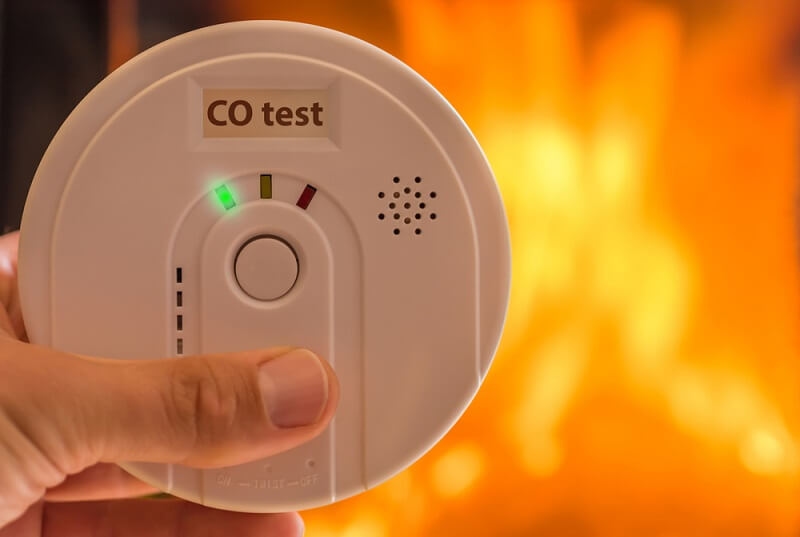
The simple tips listed below can be followed to make sure the safety is maximum:
- Install detectors on every level of the home.
- Place them near bedrooms and living areas.
- Test alarms once a month.
- Replace batteries each year.
- Replace old units every five to seven years.
- Teach everyone in the home what the alarm sounds like.
- Practice what to do when it goes off.
These are small actions, but together, they create strong protection against a silent and invisible danger.
Top Pick: Top 7 Desktop Computers for Boosting Productivity in 2025
Conclusion
Carbon monoxide is quiet and gives no warning, but a carbon monoxide detector does what people cannot. It identifies the gas and informs you about the danger.
By knowing how CO detectors work, placing them in the right spots with proper CO detector placement, and following basic care steps, families turn their homes into safer places. Home safety is never about one big action. It is about small, steady choices that protect life.
The CO detector is just a small device, but when it is in the right place and at the right time, it holds the potential to save your live.
This content was created by AI