How to Pick the Best Blenders and Mixers to Make Cooking Easy


Eating healthy gets a lot easier when your kitchen tools work for you instead of slowing you down. The right blender or mixer can cut prep time, give you smoother textures, and open the door to recipes that are both quick and nutrient-packed. But with so many choices, best blender, hand blender, mixer grinder, smoothie blender, food processor, and even the hybrid juicer mixer grinder, the challenge isn’t using them, it’s knowing which one fits your lifestyle.
This guide breaks down what each machine does best, what to look for before you buy, and how to pair them smartly so cooking and healthy living feel effortless.
Why Picking the Right Blender or Mixer Matters
Most people buy one machine hoping it will do everything, only to find it doesn’t. A smoothie blender can crush ice and greens but won’t grind spices. A mixer grinder makes flawless pastes but won’t give you a creamy soup texture. A food processor saves hours on chopping but won’t make your protein shake drinkable. And while a hand blender feels convenient, it won’t handle frozen fruit.
The point is—each tool has its role. Once you’re clear about what you cook most, you’ll know which one is your kitchen essential and which one is just nice to have.
Breaking Down the Options
1. Best Blender (Countertop Blender)
- Why it’s essential: Smoothies, nut butters, soups, sauces, and frozen drinks come out perfectly blended.
- What to check: Power above 1000 watts, variable speeds, sturdy jar, and blades strong enough for ice.
- Who should get it: Anyone serious about smoothies or creamy soups. If texture matters, this is the best blender to own.
2. Hand Blender (Immersion Blender)
- Why it’s handy: Quick soups, baby food, dips, and mayo right in the pot—no transferring hot liquids.
- What to check: Multiple speeds, stainless steel shaft, comfortable grip.
- Who should get it: Apartment cooks, minimalists, or anyone who hates cleanup. A hand blender earns its place by doing small tasks fast.
3. Mixer Grinder
- Why it stands out: Perfect for chutneys, spice blends, and smooth batters. A regular blender just can’t grind as finely.
- What to check: 500–750 watts, stainless jars in different sizes, and overload protection.
- Who should get it: Home cooks who rely on bold flavors. If you make masalas, pastes, or dosa batter often, a mixer grinder is non-negotiable.
4. Smoothie Blender
- Why it’s different: Compact design and personal jars make single-serve blends easier than a full countertop blender.
- What to check: Strong blades for frozen fruit, leakproof lids for on-the-go use.
- Who should get it: People who drink smoothies daily and want something quick. A smoothie blender is about convenience without sacrificing texture.
5. Food Processor
- Why it’s practical: Chopping, slicing, shredding, kneading dough—everything that eats up time in prep.
- What to check: 8–14 cup capacity, sharp discs, and a wide feed chute.
- Who should get it: Families or meal-preppers who want uniform cuts and less knife work. A food processor saves hours every week.
6. Juicer Mixer Grinder
- Why it’s versatile: Fresh juice in the morning, chutney at dinner—one machine handles both.
- What to check: Juicer attachment that’s easy to clean, sturdy jars for grinding.
- Who should get it: Anyone who wants both juice and spice blends but doesn’t want two separate appliances. A juicer mixer grinder is all about efficiency.
Which One Fits Your Cooking Style?
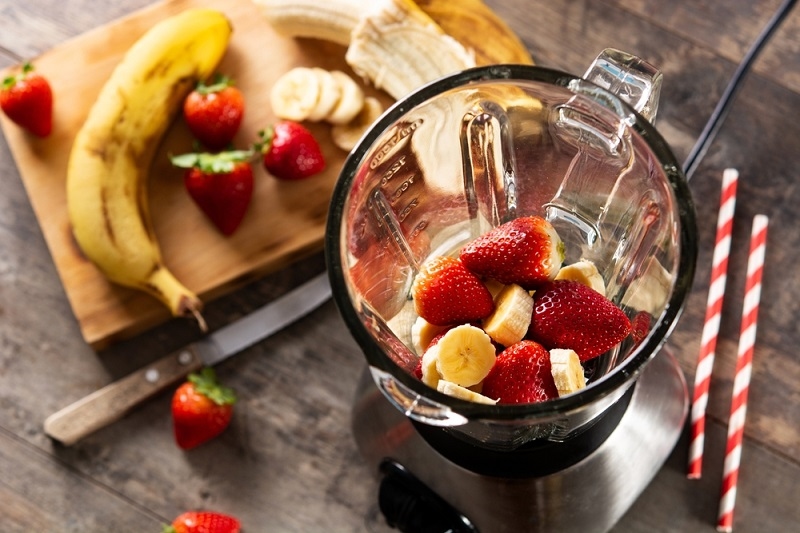
- Smoothie every morning? Get the best blender or a smoothie blender for single-serve convenience.
- Spice-heavy cooking? A mixer grinder handles flavors better than anything else.
- Big family meals? The food processor takes care of bulk chopping and dough.
- Quick soups and dips? The hand blender wins on speed and cleanup.
- Juice + chutney combo? Go for a juicer mixer grinder and cover both bases.
Features That Actually Matter
Don’t get lost in marketing. Focus on what makes your life easier:
- Power + torque: Blenders need over 1000W to handle ice and nuts. A mixer grinder works best at 500–750W with overload safety.
- Jar design: Narrow bases create a strong vortex in the best blender; stainless steel jars keep spices fresh in a mixer grinder.
- Controls: Variable speeds + pulse matter more than flashy presets.
- Capacity: Choose based on your cooking style—personal cups for smoothies, larger jars for family soups.
- Cleanup: A hand blender and smoothie blender win here, while a juicer mixer grinder takes more time.
Building the Right Combo
You don’t always need five appliances. The smartest setups are:
- Best Blender + Food Processor → Smoothies, soups, sauces, plus meal prep.
- Mixer Grinder + Hand Blender → Authentic pastes and quick soups with less counter space.
- Juicer Mixer Grinder + Smoothie Blender → Fresh juice plus easy smoothies.
These pairs cover almost everything without cluttering your kitchen.
Healthy Cooking Made Easier
When you pick the right tool, you naturally eat better:
- Smoothies on demand: A smoothie blender makes breakfast faster than brewing coffee.
- Homemade masalas: A mixer grinder gives you fresh, preservative-free flavor every time.
- Less knife work: A food processor makes salads and dough prep painless.
- Soup in minutes: A hand blender transforms a pot of veggies into dinner.
- Juice without additives: A juicer mixer grinder puts fresh nutrients straight into your glass.
Final Take
Healthy living doesn’t mean more effort—it means smarter choices. Start with the tool that matches your daily habits. If you live on smoothies, the best blender or a smoothie blender is essential. If you build meals around spices, the mixer grinder should be your first buy. For busy families, a food processor saves time. And if juice is a must, the juicer mixer grinder keeps things simple.
Pick the right machine once, and you’ll cook faster, eat fresher, and actually stick to healthier habits.
This content was created by AI