How Consumer Reviews Shape Online Buying Decisions In 2026


Online shopping in 2026 is fast. A little too fast sometimes. People can buy a blender, shoes, a phone case, and a desk chair in the same ten-minute scroll session. But there’s a catch: they can’t touch anything. No trying, no holding, no “let me see the color in real light.”
So what do shoppers do instead?
They look for proof. And the easiest proof comes from other customers. That’s why consumer reviews influence buying decisions more than most brand messages ever will. Reviews don’t feel like marketing. They feel like someone whispering, “Hey, I bought this. Here’s what actually happened.”
Let’s break down how reviews steer purchases today, what people trust, and how shoppers filter the noise.
How Consumer Reviews Influence Buying Decisions In 2026
In simple terms, reviews act like a shortcut for risk. People want to avoid wasting money, time, and energy on something disappointing. Reviews reduce that uncertainty.
In 2026, shoppers typically use reviews to answer five questions:
- Does the product work the way the listing claims
- Is the quality consistent or hit-or-miss
- Are there common issues that show up after a week or two
- Is it worth the price compared to alternatives
- What does real-life use look like, not studio photos
That’s the core reason reviews matter. They translate a product page into a real-world story.
The Online Review Impact Is Strongest At The “Almost Bought” Moment
Most people don’t read reviews at the start. They browse first, then narrow down. The review deep dive usually happens at the “I might actually buy this” moment.
That’s where online review impact becomes obvious. A shopper might love the look and specs, but one consistent complaint can shut the whole thing down:
- “Battery dies fast.”
- “Sizing runs small.”
- “Breaks after two washes.”
- “Customer support never responds.”
Even a great product can lose a sale if the reviews suggest it’s unreliable.
Why Star Ratings Matter, But Not In The Way People Think
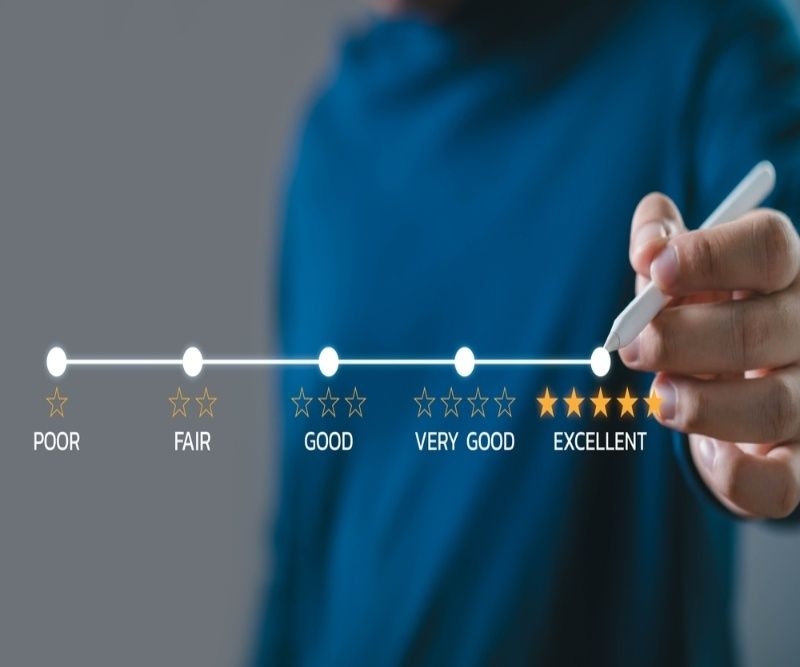
Star ratings are powerful because they’re fast. They give instant emotional direction: safe, risky, or avoid.
But shoppers in 2026 are more skeptical than before. Many people don’t treat 5 stars as “perfect.” They treat it as “possibly manipulated.” They often trust:
- 4.2 to 4.6 ranges with lots of reviews
- Detailed 3-star reviews that feel balanced
- Photos and videos that show normal use
This is where product rating influence shows up. The rating doesn’t need to be flawless. It needs to look believable.
The Customer Feedback Importance Shift: People Want Specifics, Not Hype
The most persuasive reviews aren’t emotional. They’re specific.
In 2026, customer feedback importance is tied to detail like:
- Measurements (fit, sizing, space)
- Context (used daily, used for travel, used by kids)
- Clear pros and cons
- Comparisons to similar products
- Real photos in real lighting
A review that says, “Amazing, buy it!” helps less than:
“Used it for two months; the zipper still feels strong, but the strap is short if you’re tall.”
That kind of feedback feels trustworthy because it’s useful.
The Role of Online Shopping Reviews in Building Instant Trust
A product page is a claim. A review section is evidence. Shoppers often treat online shopping reviews like the “proof” panel.
They scan for patterns:
- Do multiple people mention the same issue
- Are complaints minor or deal-breakers
- Do reviews match the product photos and description
- Is the brand responding to problems or ignoring them
Even one thoughtful brand reply to a negative review can build trust. It signals the company exists after the sale.
How Reviews Shape Consumer Purchase Behavior Without People Noticing
A lot of shoppers think they’re making independent decisions. But reviews quietly steer choices in predictable ways. That’s consumer purchase behavior in action.
Common review-driven decisions include:
- Paying more for a product with fewer complaints
- Choosing a “boring” option because it feels safer
- Avoiding new brands with limited review history
- Switching colors or sizes based on customer photos
- Buying bundles because reviewers say it’s a better deal
Reviews don’t just confirm choices. They reshape them.
The New 2026 Problem: Too Many Reviews, Too Much Noise
The downside of review culture is overload. Some products have thousands of reviews. No one is reading all of that.
So shoppers use shortcuts:
- Sort by “most recent” to check current quality
- Filter by “with photos”
- Search within reviews for keywords like “durable,” “refund,” “size,” “battery”
- Read the worst reviews first, then the best
- Look for balanced, detailed reviewers
This isn’t negativity. It’s strategy. People want to know what can go wrong before they commit.
Fake Reviews And Trust Filters People Use Now
Shoppers are more aware of fake reviews in 2026. They’re not helpless, though. Many people look for signals that a review is real:
- Specific details instead of generic praise
- Photos that look unedited and normal
- Mixed feedback rather than perfect scores
- Review timelines that don’t look suspiciously “burst-y”
- Language that sounds human, not salesy
If reviews feel too perfect, shoppers often assume something is off.
Check Out: Why Smart Kitchen Gadgets Are Necessary in Today's World?
How Brands Can Win Without Begging For Reviews
From a business side, the best review strategy isn’t “please leave a review.” It’s making the product and experience review-worthy.
That means:
- Clear product descriptions that match reality
- Good packaging and delivery reliability
- Fast customer support responses
- Simple returns and refunds
- Quality control that stays consistent
When customers feel respected, they leave better reviews naturally.
Why Consumer Reviews Influence Buying Decisions More Than Ads
Here’s the second mention of consumer reviews influence buying decisions, because it’s the central truth: reviews feel like social proof, while ads feel like persuasion. Shoppers trust people who already took the risk.
In 2026, the “buyer journey” often looks like:
Discover products through ads or search
Get interested through photos and specs
Confirm trust through reviews
Decide based on patterns, not promises
That review step is the gatekeeper.
The online review impact On Repeat Purchases And Loyalty
The second mention of online review impact matters because reviews don’t stop at the first sale. They affect whether someone buys again. If a brand has consistent reviews across products, shoppers feel safer staying loyal.
A single bad product can hurt a brand’s future sales if reviews signal that quality is unpredictable. Consistency is what builds long-term trust.
How Product Rating Influence Really Works In A Crowded Market
The second mention of product rating influence is the final clarity: ratings act like a quick filter, not a final decision.
A strong rating gets a product onto the shortlist. Detailed reviews close the deal. That’s why smart shoppers use ratings to narrow and reviews to decide.
The Second Wave of Customer Feedback Importance: Reviews As Product Research
The second mention of customer feedback importance is about how shoppers treat reviews like product research now. People don’t just want to know if something is “good.” They want to know if it’s good for them.
That’s why reviews mentioning height, skin type, household size, climate, lifestyle, and personal preferences are so influential.
How Online Shopping Reviews Shape Product Pages And Expectations
The second mention of online shopping reviews fits here because many shoppers don’t trust the product page alone anymore. Reviews set expectations, sometimes more than the official description.
In a weird way, reviews become the real product listing:
“This runs large.”
“This fabric pills.”
“This is heavier than it looks.”
“This is perfect for small kitchens.”
Those details matter.
Read More: Why Smart Kitchen Gadgets Are Necessary in Today's World?
Conclusion: Why Consumer Purchase Behavior Keeps Becoming More Review-Driven
The second mention of consumer purchase behavior comes down to one idea: online shopping removes physical certainty, and reviews replace it. That’s why review culture keeps growing, even as shopping gets faster.
People want confidence. Reviews provide it, imperfectly, but better than guessing.
FAQs
FAQ 1: Why Do Reviews Matter More In 2026 Than Before
Because online shopping is faster and more competitive, shoppers rely on reviews to reduce risk and confirm real-world quality before they buy.
FAQ 2: How Many Reviews Does A Product Need To Feel Trustworthy
There’s no perfect number, but shoppers often trust products more when reviews show consistent patterns, include photos, and feel specific rather than generic.
FAQ 3: What Should Shoppers Look For In Reviews To Avoid Bad Buys
They should scan for repeated complaints, check recent reviews for current quality, and look for detailed feedback that matches their needs and use case.
This content was created by AI