How to Choose the Right Home Security Service Provider

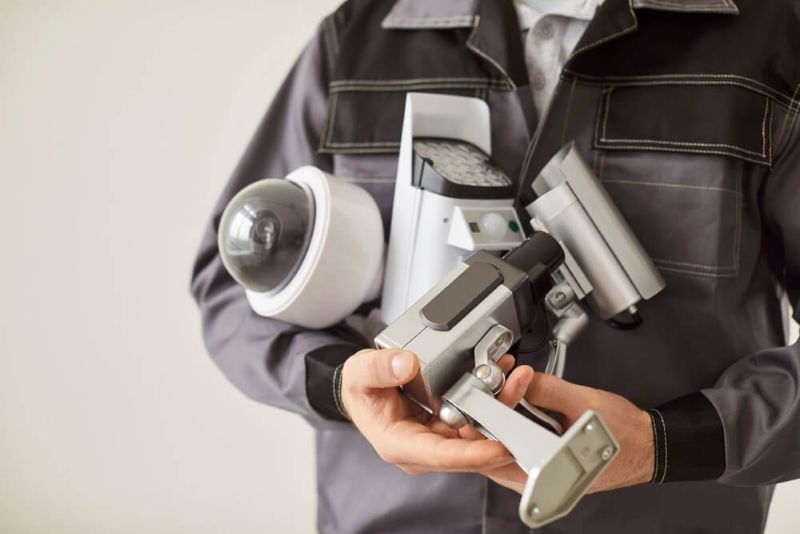
Choosing the right home security service provider can feel a bit like shopping for a car. You know you want safety, reliability, and peace of mind, but the options blur together fast. Cameras here, sensors there, long contracts, short contracts, flashy apps, quiet promises. This guide walks you through the full picture, step by step, without the jargon overload. We’ll talk about your real needs, how systems actually work in everyday American homes, and how to separate solid protection from clever marketing. By the end, you’ll know exactly what to look for and what to ignore.
Choosing A Home Security Service Provider That Fits Your Life
Finding the right home security service provider starts with something simple but often skipped. Your lifestyle. Before comparing brands or prices, pause for a second and think about how you live day to day.
Understanding Your Real Security Needs
A downtown apartment has very different risks than a quiet suburban home or a rural property with long driveways. Do you travel often? Have pets that roam the house? Kids coming home from school before you do? These details matter more than glossy brochures.
Someone working night shifts might care deeply about instant alerts. A family with small children may want door sensors and indoor cameras placed thoughtfully. Honestly, the best system is the one that blends into your routine instead of fighting it.
Matching Lifestyle With Technology
Technology should feel like a helpful neighbor, not a demanding boss. If you love apps and smart devices, modern systems can feel almost fun to use. If tech frustrates you, simpler controls matter more than fancy features.
Wireless home security systems have become popular across the US for a reason. They install quickly, adapt easily, and don’t require drilling through walls. Renters especially appreciate this flexibility. Homeowners do too, even if they don’t say it out loud.
Also read: How to Select a Dishwasher for Every Kitchen and Lifestyle
Knowing How To Choose A Home Security System With Confidence
Once you understand your lifestyle, the next step is learning how to choose a home security system without second-guessing every decision.
Wired Versus Wireless Systems
Wired systems are stable and reliable, but installation can be disruptive. Walls get opened. Time stretches. Wireless home security systems, on the other hand, rely on secure signals and battery-powered components. They’re easier to expand and easier to move if life changes.
Here’s the thing. Wireless does not mean weak. Many modern systems use encrypted communication that stands up well against interference. That’s why so many of the best home security services now lean heavily toward wireless setups.
Smart Home Integration And Ease Of Use
Smart locks, video doorbells, and voice assistants have changed expectations. A good system should play nicely with tools you already use. Think Google Nest, Amazon Alexa, or Apple HomeKit.
Ease of use matters more than people admit. If an app is clunky, you’ll stop checking it. If arming the system feels annoying, you’ll skip it one night. And that’s usually the night something happens.
Comparing The Best Home Security Services Without The Headache
Now comes the comparison phase. This is where many homeowners feel overwhelmed. Ads promise everything. Reviews conflict. Let’s simplify it.
Reputation Reviews And Real Feedback
Big names like ADT, SimpliSafe, Vivint, and Ring dominate the conversation. Each has strengths and weak spots. Look beyond star ratings. Read patterns in reviews. Do people complain about billing? Customer service? Equipment failure?
You know what? One angry review doesn’t mean much. Twenty people saying the same thing does.
Local providers can be worth a look too. Some offer faster response times and more personal support. They don’t always have flashy marketing, but they often know the neighborhoods they serve.
Contracts, Pricing, and Fine Print
Some of the best home security services require long contracts. Others offer month-to-month flexibility. Neither is automatically bad.
Long contracts may include lower upfront costs. Short contracts give freedom. Just read carefully. Watch for cancellation fees, equipment ownership rules, and price increases after the first year.
If something feels confusing, that’s a signal. A trustworthy provider explains pricing clearly without dodging questions.
Read more: How to Pick the Best Blenders and Mixers to Make Cooking Easy
Why 24/7 Home Security Monitoring Actually Matters
Monitoring is where a system shifts from a helpful gadget to serious protection. It’s also where costs add up, so it deserves attention.
What Happens When An Alert Triggers
With 24/7 home security monitoring, alerts don’t just buzz your phone. They go to trained professionals who verify the threat and contact emergency services if needed.
Imagine being in a meeting or asleep when a window sensor triggers. Monitoring centers act when you can’t. That quiet backup is what many homeowners end up valuing most.
Professional Monitoring Versus DIY
DIY systems appeal to budget-conscious buyers. They work well for some. But response depends entirely on you noticing alerts and acting fast.
Professional monitoring adds a layer of reassurance. It’s not dramatic. It’s steady, like having someone keep an eye on your place while you live your life.
Using A Home Security Provider Checklist To Stay Grounded
When options pile up, a home security provider checklist keeps decisions grounded and practical.
Must Have Features
Your checklist doesn’t need to be fancy. Focus on what protects your home, not what looks cool.
Common essentials include:
- Door and window sensors
- Motion detectors
- Mobile app control
- 24/7 home security monitoring options
- Clear upgrade paths
Cameras are useful, but placement matters more than quantity. One well-placed camera often beats four random ones.
Questions You Should Always Ask
Before signing anything, ask direct questions. Good providers welcome them.
- Who owns the equipment
- What happens if the internet goes down
- How long does installation take
- Is customer support available on weekends
Pay attention to how answers feel. Rushed responses often signal rushed service later.
Don't miss: Portable Dog Fence for RV Camping | Lightweight & Quick
Conclusion
Choosing the right home security service provider isn’t about chasing perfection. It’s about finding something reliable that fits your life, your home, and your comfort level. From understanding how to choose a home security system to comparing the best home security services and using a clear checklist, the goal stays the same. Peace of mind that feels earned, not forced. Take your time. Ask questions. Trust your instincts. A good system should make you feel safer without making life more complicated.
FAQs
How much should I expect to pay for a home security service provider?
Most US homeowners spend between $30 and $60 per month for monitoring, plus equipment costs. Prices vary based on features and contract length.
Are wireless home security systems reliable enough?
Yes, modern wireless systems are highly reliable and widely used. They’re especially popular for renters and growing families.
Is 24/7 home security monitoring really necessary?
It depends on your lifestyle, but many homeowners value the added backup during travel or sleep. It adds consistent protection when you’re unavailable.
Can I switch providers later if I’m unhappy?
You usually can, but contracts matter. Always check cancellation terms before signing, so switching stays simple.
This content was created by AI