10 Best Futons and Sofa Beds to Buy For Smart Living Spaces
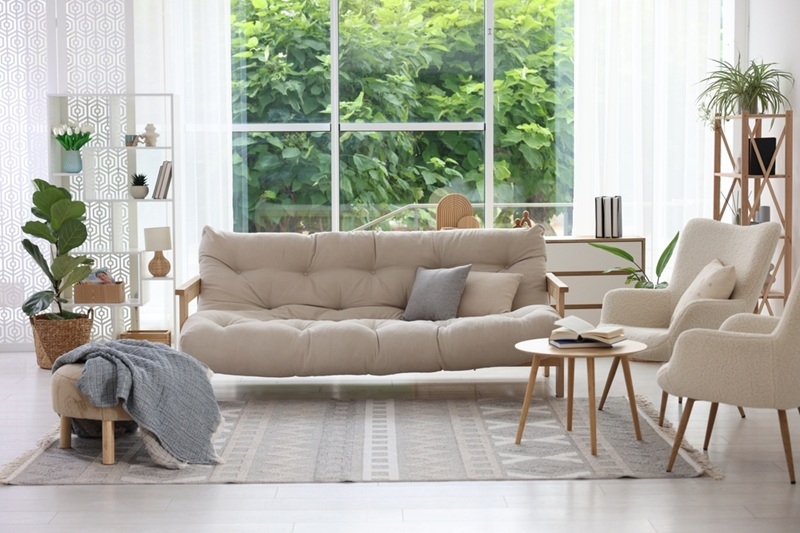
Sofa beds and futons have become essential for smart living these days. Whether you are in a tiny apartment or just need a bit more sleeping space for friends, these furniture pieces really mix practicality and style. They give you a comfy spot to lounge during the day and then switch to a snuggly bed at night. So yeah, really good for saving space too.This blog will explore unique sleeper sofas. Trends in futons, as well as available models, are designed to be functional and versatile for various lifestyles and budgets.Best Sofa Beds and Futons to Purchase TodayThe following list contains some great options for futons or sleeper sofas you may wish to consider:1. Classic Pull-Out Sleeper SofaPull-out sofas are super popular for a reason. They have this hidden mattress that you can pull out when you need it. Basically, they are fantastic if you have overnight guests a lot. Seems like the mattress is usually thicker than what you find in futons, so they are comfy for longer stays.If comfort is what you care about most, these sleeper sofas are definitely some of the best. Just keep in mind, they might take up a bit more room when you pull them out.2. Click-Clack Futon SofaClick-clack futons are pretty neat, simple, and yeah, great for small spaces. They fold down flat, becoming a bed. So, these convertible options are light and easy to manage. Perfect if you are a student or a young pro in a small apartment.Now, they may not have that thicker mattress like pull-out sofas, but they are still comfy enough for short visits.3. Sectional Sofa BedYou want a mix of luxury and usefulness? Sectional sofa beds are a solid choice. Some of these come with a chaise or maybe even hidden storage. Plus, a few can convert into beds, which is fantastic for families needing to save space.They work great in bigger living rooms, offering loads of seating during the day and then turning into a comfy bed at night for guests.4. Folding Foam FutonFolding foam futons for small spaces are one of the more budget-friendly choices. They are super light, can be moved around easily, and are simple to store. Usually, you get them in foldable layers, and you can stack them for seating or unfold them for a mattress.These are awesome for those occasional use situations, like sleepovers. Sure, they might not replace the traditional sleeper sofas, but they are just right if you are on a budget.5. Loveseat Sofa BedWell, loveseat sofa beds are compact and look good. They can turn into a small bed for two people easily. Super handy for studio apartments or little bedrooms since they do not require much space, but still give decent comfort for sleeping.For tight spaces, this option is definitely worth a look.6. Daybed with TrundleA daybed with a trundle is pretty cool as a space-saving option. It looks like a sofa during the day, but then it becomes a bed at night.You can pull out that trundle from below to create extra sleeping space. That makes it awesome for guest rooms or shared areas.Not a traditional futon, sure, but it fits in the sofa beds category with its gotta-have dual function.7. Wooden Frame FutonGot a thing for that traditional look? Wooden frame futons bring it. They often have a strong wooden base and a mattress on top that's thick enough. These little guys are built to last and can stick around for years. They are a cinch to convert and comfy for both lounging and sleeping.Really, they mix style and practicality well, making them one of the best bets if you need a sofa bed long-term.8. Leather Sleeper SofaLooking for something fancy? Leather sleeper sofas can be a great pick. They bring a touch of elegance to your living room while still being functional.Most of these come with top-notch mattresses and are made from tough materials. If you want comfort and style together, they are the way to go.Just a heads-up, they might hit your wallet a bit harder than other sofa beds out there.9. Modular Sofa BedModular stuff is super trendy right now for homes, huh? You got these sofa beds and futons that come in different pieces that you can move around however you want.You can totally use them as a sofa, a lounger, or even a bed. That kind of flexibility really saves you space in your place, big time!And, they work great if you love changing your room around all the time.10. Futon Bunk BedFuton bunk beds are sort of a clever choice for families or when you are sharing a room. You get a bed up top and a futon down below.Perfect for kids' rooms or even hostels, you know? It really makes use of that vertical space and gives you both a place to sit and sleep.Honestly, it feels like one of the coolest convertible sofa beds you can find these days.Check This Out: How Consumer Reviews Shape Online Buying Decisions In 2026How to Choose the Right Sofa Bed or Futon?With all these choices, picking the right one can be kinda overwhelming. Here are some simple tips that might make it easier for you to find your perfect sofa bed or futon:1. Comfort LevelFirst off, check out the mattress quality. If you are gonna use it a lot, go for thicker mattresses like those sleeper sofas have.2. Space AvailabilityIt is super important to measure your room before you buy. If your space is small, look for compact options like those little futons or loveseats.3. Ease of ConversionYou should look for convertible sofa beds that are easy to deal with when opening and closing them. Trust me, complicated mechanisms can become a real headache after a while.4. Material and DurabilityPick materials that fit your lifestyle. You know, leather and wood frames last a long time, but fabric options give you more choices.5. BudgetSet a budget and then see what is available in that range. There are tons of good sofa beds out there at different prices.Benefits of Sofa Beds and FutonsOwning sofa beds and futons really has its perks:They help you maximize space in tiny homes.They save you money compared to buying separate furniture.They are totally versatile and multifunctional.And you can find them in a ton of styles and designs.These benefits make them super important for saving space in modern living.Learn More Here: Online Ratings In 2026: Why People Still Trust Stars?ConclusionNowadays, with how fast everything moves, your furniture needs to be practical and look good, too. Sofa beds and futons really hit that mark. Whether you are into compact futons or plush sleeper sofas, there is something for every home and budget.Just think about your needs, the space you have, and how much you are willing to spend. You will probably find those perfect convertible sofa beds or futons that truly fit your vibe.FAQs Are sofa beds and futons comfortable for everyday use?Yeah! Lots of modern ones are made for daily use. Just make sure to grab some high-quality mattresses and solid frames for comfort and support while sitting or sleeping.Which is better, futons or sleeper sofas?When it comes to tight spaces and an affordable option, Futons are a great solution. However, in terms of comfort, sleeper sofas generally provide superior support. The type of furniture (i.e., futon or sleeper) that is best for your needs will depend on your space, budget, and frequency of usage.What is the lifespan of a convertible sofa bed?Convertible sofa beds can last anywhere from 7-10 years or longer if properly maintained. The life of this product is determined by several factors, including what the product is constructed from, how often the item is used, and how to maintain different parts or fabrics of the convertible sofa bed, etc.Can you use sofa beds to save space in a small apartment?Yes, absolutely! Sofa beds allow you to get double-duty out of your furniture by combining two uses for each piece while eliminating additional furniture costs from your entire living area.